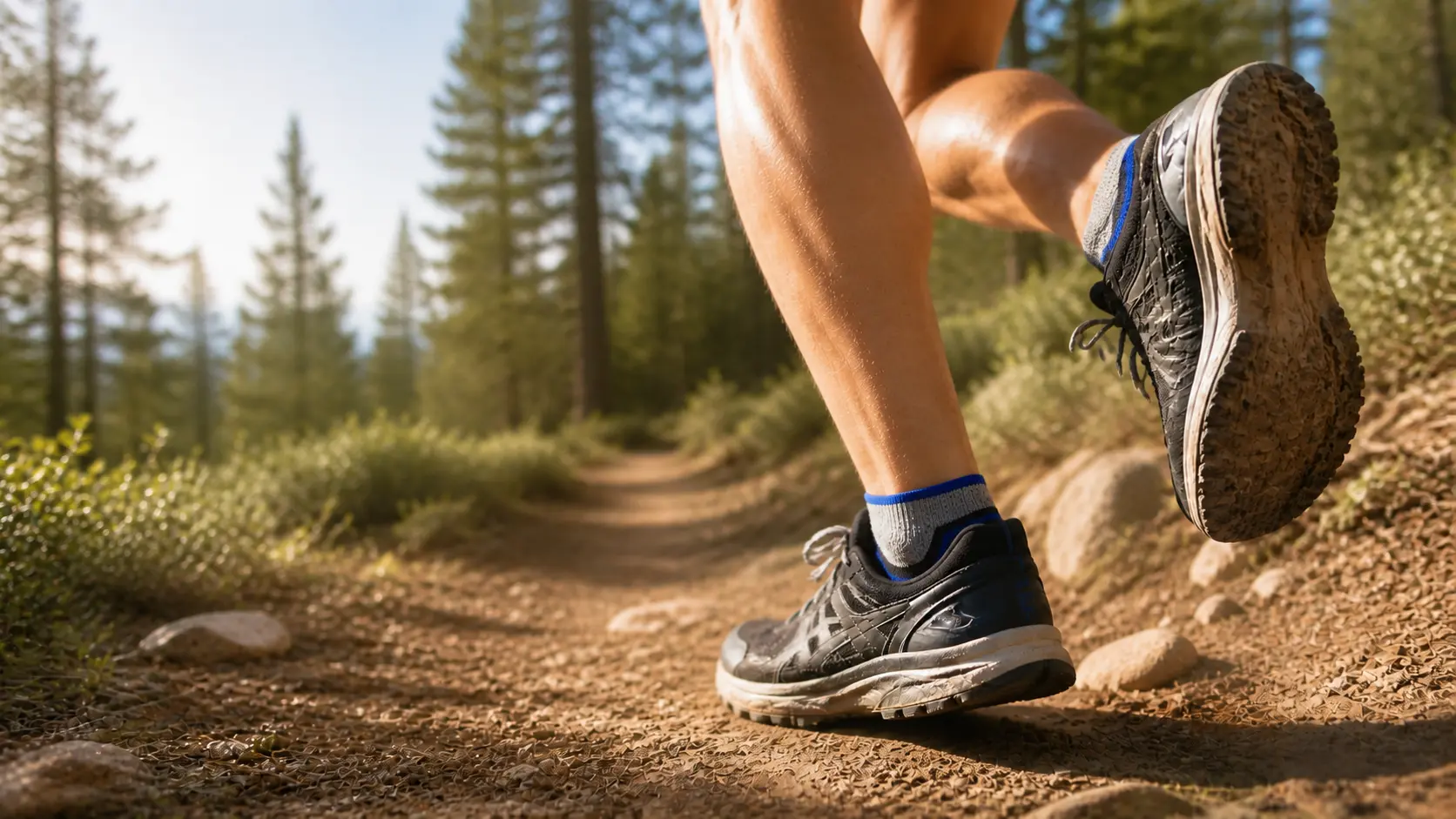
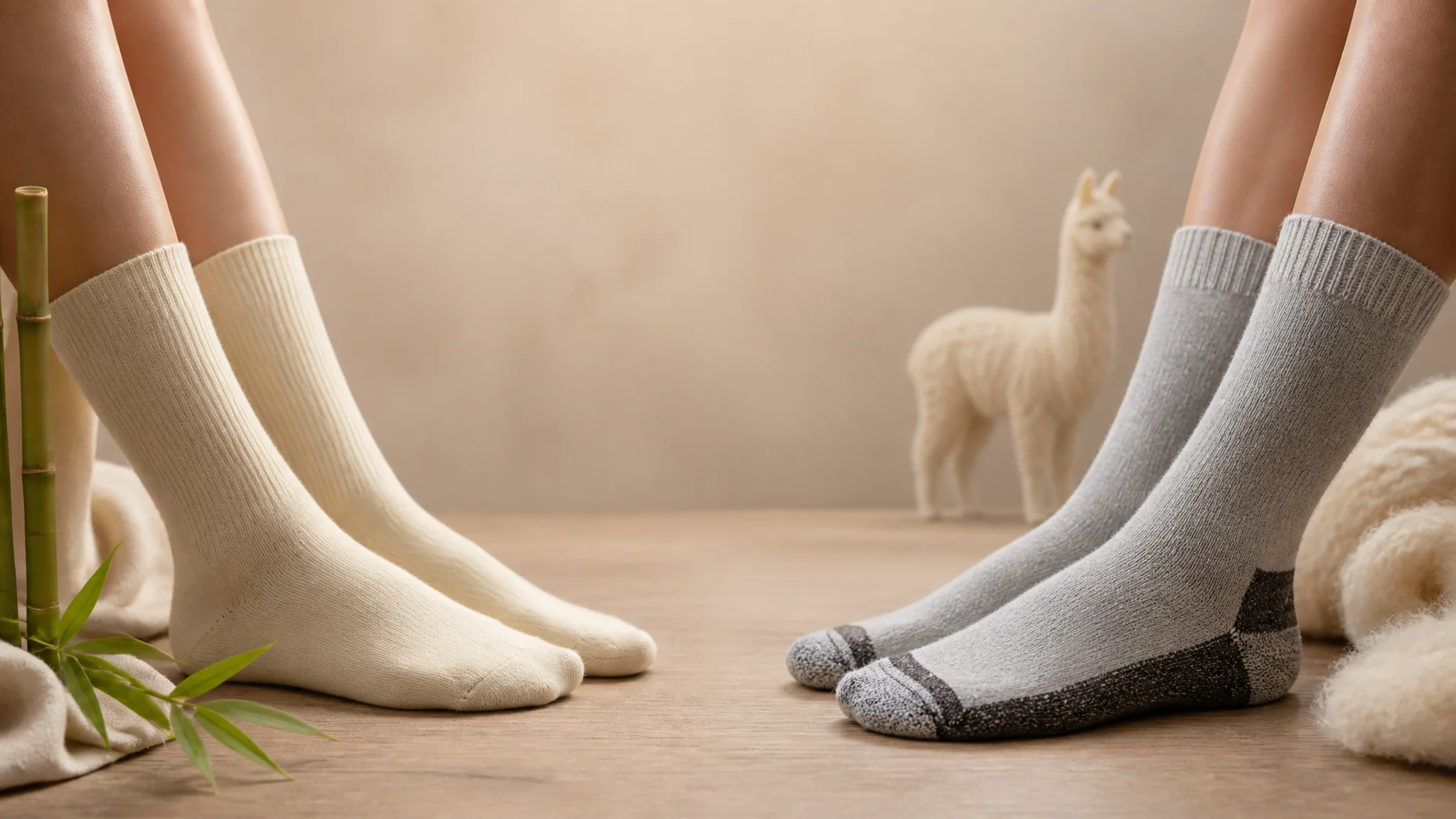
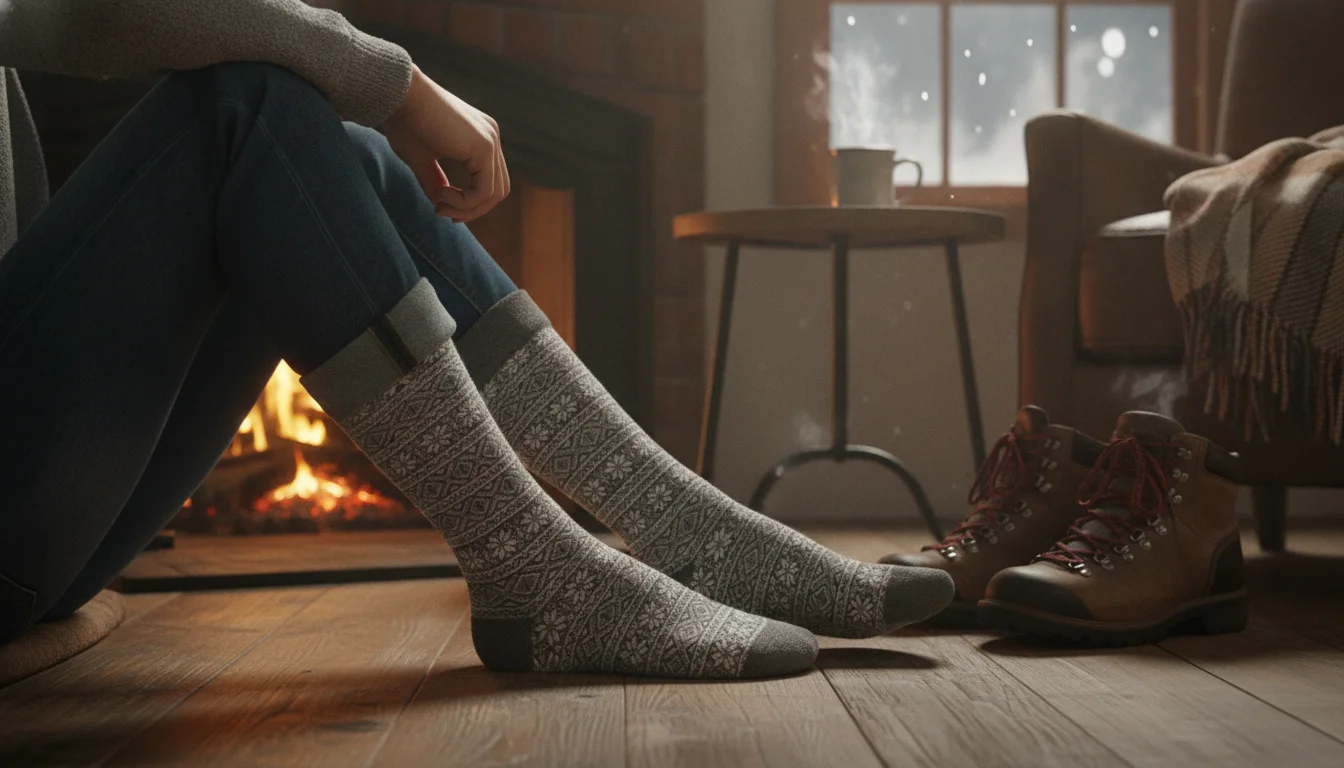
When preparing for a rugged outdoor adventure or simply navigating a chilly, damp morning in the city, the question often arises: are alpaca socks waterproof? While no natural fiber can claim the absolute impermeability of rubber or synthetic Gore-Tex, alpaca wool possesses extraordinary technical properties that redefine our understanding of moisture management. For those who demand both luxury and performance, understanding how this Andean treasure interacts with water is the key to maintaining comfort in the world's most unpredictable climates.
Waterproof vs. Water-Resistant: Setting the Record Straight
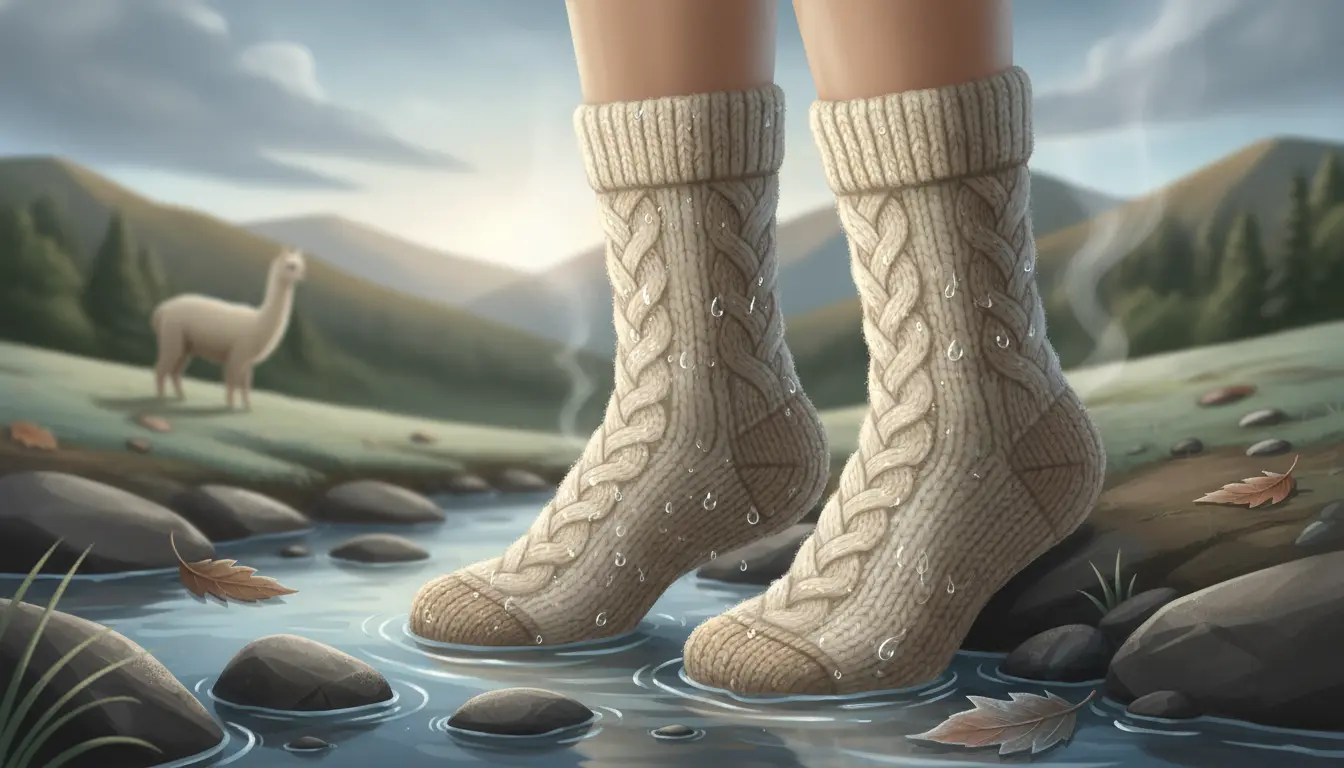
In the world of textiles, terminology matters. To answer whether are alpaca socks waterproof, we must first distinguish between 'waterproof' and 'water-resistant.' A truly waterproof material, such as a PVC rain boot, creates an airtight barrier that prevents water molecules from passing through. However, this lack of permeability also traps sweat against the skin, leading to discomfort and cold feet.
Alpaca fiber is naturally hydrophobic. This means the fiber itself repels water. At a microscopic level, alpaca hair has a smooth surface compared to the scaled surface of sheep’s wool. While the knit structure of a sock eventually allows water to penetrate under heavy pressure or immersion, the fibers themselves do not soak up moisture. Instead, they encourage water to bead off or move toward the surface where it can evaporate.
The Science of Moisture-Wicking in Alpaca Wool
The true magic of ClassicAlpaca products lies in the medullary canal—a hollow core found within each alpaca fiber. This unique physiological trait provides two distinct advantages for moisture resistance:
- Capillary Action: The hollow core acts as a natural straw, pulling moisture (sweat) away from the skin and transporting it to the outer surface of the fabric.
- Thermal Regulation: Even when the exterior of the sock is damp, the air trapped within the hollow fibers acts as an insulator, keeping your feet warm.
| Feature | Alpaca Fiber | Sheep Wool | Cotton |
|---|---|---|---|
| Water Absorption | Low (Hydrophobic) | Moderate (Hydrophilic) | High (Absorbent) |
| Drying Speed | Very Fast | Moderate | Slow |
| Insulation when Wet | Excellent | Good | Poor (Cold) |
| Skin Feel | Silky/Smooth | Scaly/Prickly | Soft/Heavy |
How Alpaca Socks Perform in Rain and Snow
When you find yourself caught in a heavy downpour or trekking through deep snow, you will notice a stark difference between alpaca and traditional hosiery. Because are alpaca socks waterproof in a functional sense, they do not sag or lose their shape when damp. Cotton socks become heavy and abrasive when wet, which is the primary cause of blisters. Alpaca, conversely, maintains its structural integrity and soft texture.
In snowy conditions, alpaca socks excel at managing the temperature gradient. When snow melts against your boots, the moisture-wicking properties ensure that the dampness doesn't reach your skin, while the thermal properties prevent the dreaded 'frozen toe' sensation. It is this combination of dryness and warmth that makes them a staple for professional explorers and luxury enthusiasts alike.
Naturally Odor-Resistant and Breathable
One of the most significant drawbacks of synthetic waterproof materials is the buildup of odor. Bacteria thrive in warm, moist environments. Since alpaca wool is highly breathable and moves moisture away from the foot so efficiently, it deprives bacteria of the environment they need to grow.
The Lanolin-Free Advantage: Unlike sheep's wool, alpaca fiber does not contain lanolin (wool grease). Lanolin can trap dust and allergens, and its removal requires harsh chemical processing. Alpaca is naturally clean and hypoallergenic.
Pro Tip: Due to their antimicrobial properties, alpaca socks can often be worn multiple times between washes, making them the ultimate travel companion for long-haul trips.
Are They the Best Choice for Wet Conditions?
When evaluating your footwear for wet environments, the goal is rarely to find a 100% waterproof sock—which would be suffocating—but rather to find a sock that manages moisture most effectively. If the question is "are alpaca socks waterproof enough for extreme conditions?" the answer is a resounding yes for moisture management and thermal protection.
By choosing alpaca, you are investing in a fiber that has evolved over millennia in the high altitudes of the Andes, where rapid temperature shifts and moisture are a way of life. At ClassicAlpaca, we combine this ancient wisdom with modern knitting techniques to produce socks that are not only durable but also offer an unparalleled tactile experience.
In conclusion, while alpaca socks are technically water-resistant rather than waterproof, they provide the highest level of performance available in a natural textile. They offer a sophisticated solution for those who refuse to let the weather dictate their comfort. Whether you are scaling a mountain or navigating a rainy commute, alpaca socks ensure that your feet remain dry, warm, and encased in luxury.