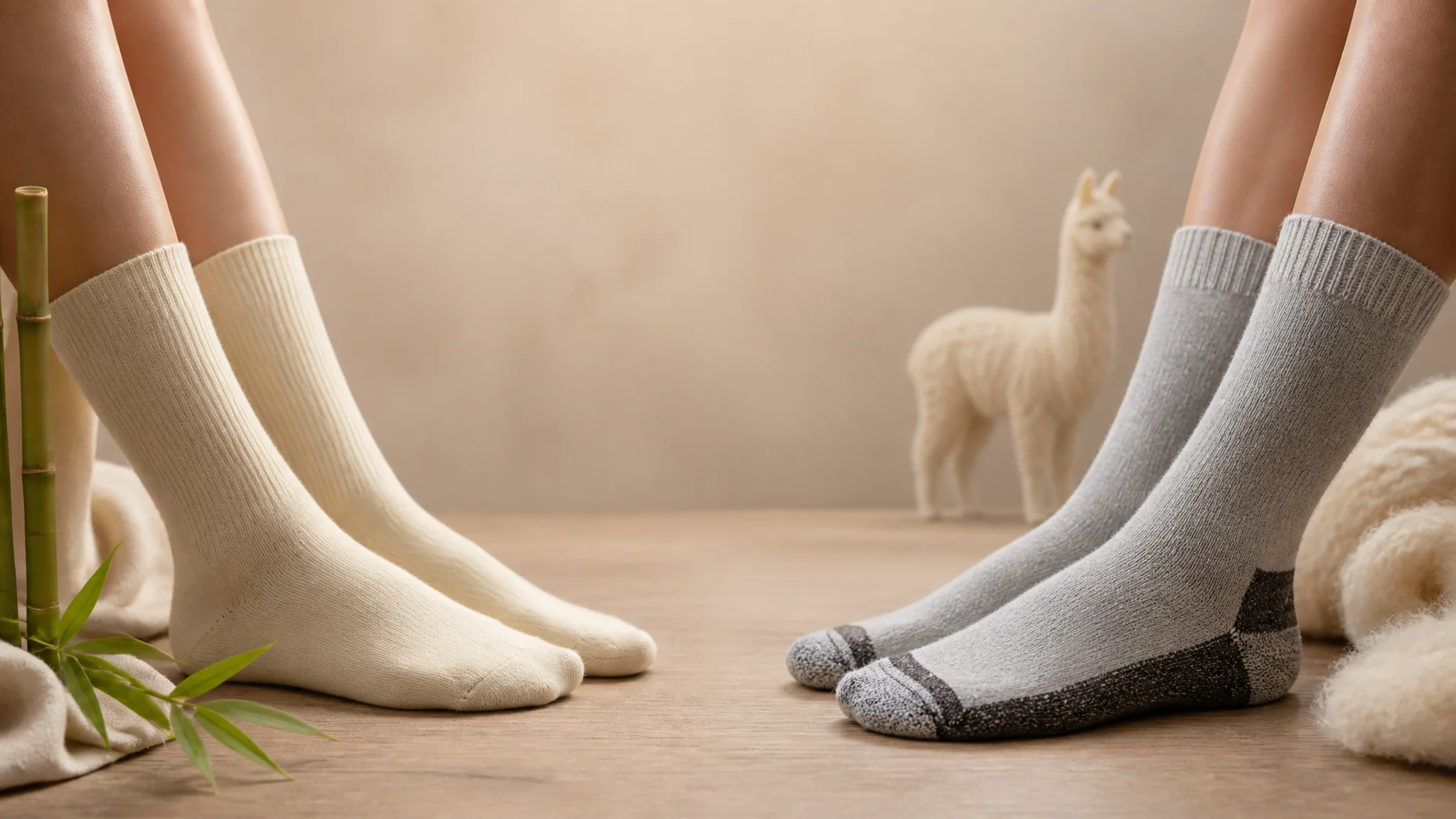
When it comes to elevating your daily wardrobe and outdoor gear, understanding the nuances of alpaca socks pros and cons is essential for making an informed investment in comfort. Imagine a material that is softer than cashmere, warmer than sheep’s wool, and naturally moisture-wicking without the itch. Alpaca fiber has long been heralded as the 'Fiber of the Gods,' and today, it is revolutionizing the hosiery industry. However, to truly appreciate this luxury item, one must weigh its exceptional benefits against its unique care requirements and performance characteristics in the field.

The Primary Benefits of Alpaca Socks
The allure of alpaca fiber lies in its unique biological structure. Unlike sheep's wool, alpaca fibers are semi-hollow, which creates a natural insulation barrier. This translates to several key advantages for the wearer:
- Superior Thermal RegulationThe hollow core of the fiber traps heat while remaining remarkably lightweight. This means your feet stay warm in freezing temperatures and cool during milder transitions, making them a versatile choice for year-round wear.
- Exceptional Moisture ManagementAlpaca fiber is naturally hydrophobic; it does not absorb moisture into the fiber itself but rather wicks it away to the surface where it can evaporate. This keeps your feet dry and helps prevent the growth of odor-causing bacteria.
- Unrivaled SoftnessWith a lower micron count and a smoother scale structure than traditional wool, alpaca fiber lacks the 'prickle factor.' The result is a silky, luxurious feel against the skin that reduces friction and the likelihood of blisters.
Expert Tip: Because alpaca fiber is naturally antimicrobial, these socks can often be worn multiple times between washes without developing odors, making them a favorite for minimalist travelers and long-distance hikers.
Potential Drawbacks and Considerations
While the benefits are numerous, a balanced look at alpaca socks pros and cons requires acknowledging their specific needs. Luxury performance often comes with a set of considerations that differ from standard cotton or synthetic blends.
- Premium PricingDue to the rarity of the fiber and the ethical harvesting processes involved, alpaca socks typically command a higher price point than mass-produced wool or cotton socks. However, many find the cost-per-wear justifies the initial investment.
- Care and MaintenanceTo maintain the integrity of the fibers, alpaca socks often require more careful laundering. While many modern blends are machine-washable on a delicate cycle, air-drying is almost always recommended to prevent shrinking or felting.
- Fiber ElasticityPure alpaca fiber has very little 'memory' or elasticity. This is why high-quality alpaca socks are almost always blended with small amounts of spandex, nylon, or Pima cotton to ensure they retain their shape and stay snugly against your calf or ankle.
Performance and Durability in the Field
In rigorous outdoor environments, alpaca fiber proves its worth through resilience and technical performance. Whether you are trekking through the Andes or navigating a damp commute, the durability of these socks is a standout feature. Unlike sheep's wool, which can become heavy and lose its insulating properties when wet, alpaca fiber remains effective even if damp.
| Feature | Alpaca Fiber | Merino Wool | Synthetic Blends |
|---|---|---|---|
| Warmth-to-Weight | Excellent (Hollow Fiber) | Good | Varies |
| Odor Resistance | High (Naturally Antimicrobial) | High | Low (Requires Treatment) |
| Durability | Very High (High Tensile Strength) | Moderate | High |
| Softness | Silky / No Prickle | Soft / Occasional Itch | Varies |
For high-intensity activities, the smooth surface of the fiber reduces the friction that causes hot spots and blisters. This makes alpaca socks an elite choice for runners and hikers who demand high performance without sacrificing skin integrity.
Hypoallergenic and Skin Comfort Properties
One of the most significant advantages for individuals with sensitive skin is the hypoallergenic nature of alpaca fiber. Traditional sheep’s wool contains lanolin, a natural oil that many people are allergic to or find irritating. Alpaca fiber is 100% lanolin-free.
Furthermore, the absence of lanolin means that the fiber does not attract dust or allergens in the same way, contributing to a cleaner, more hygienic environment for your feet throughout the day.
Sustainability and Ethical Sourcing
In today’s fashion landscape, luxury must be synonymous with responsibility. Choosing alpaca socks is a vote for a more sustainable textile industry. Alpacas are gentle on the land; they have soft padded feet that do not damage the terrain, and they graze by nibbling at the tops of grasses rather than pulling them out by the roots.
Key sustainability factors include:
- Low Water Usage: Processing alpaca fiber requires fewer harsh chemicals and less water than processing wool, primarily because it lacks lanolin.
- Renewable Resource: Alpacas are shorn once a year, providing a steady, renewable source of fiber that supports rural communities in high-altitude regions.
- Longevity: Because the fiber has a high tensile strength, these socks are designed to last, reducing the 'fast fashion' cycle of disposal and replacement.
In conclusion, when evaluating alpaca socks pros and cons, it becomes clear that the advantages—ranging from thermal efficiency and skin comfort to environmental stewardship—far outweigh the minor inconveniences of specialized care. For those seeking the pinnacle of comfort and a refined lifestyle, alpaca socks are not just a garment; they are a long-term investment in your well-being and the health of our planet.