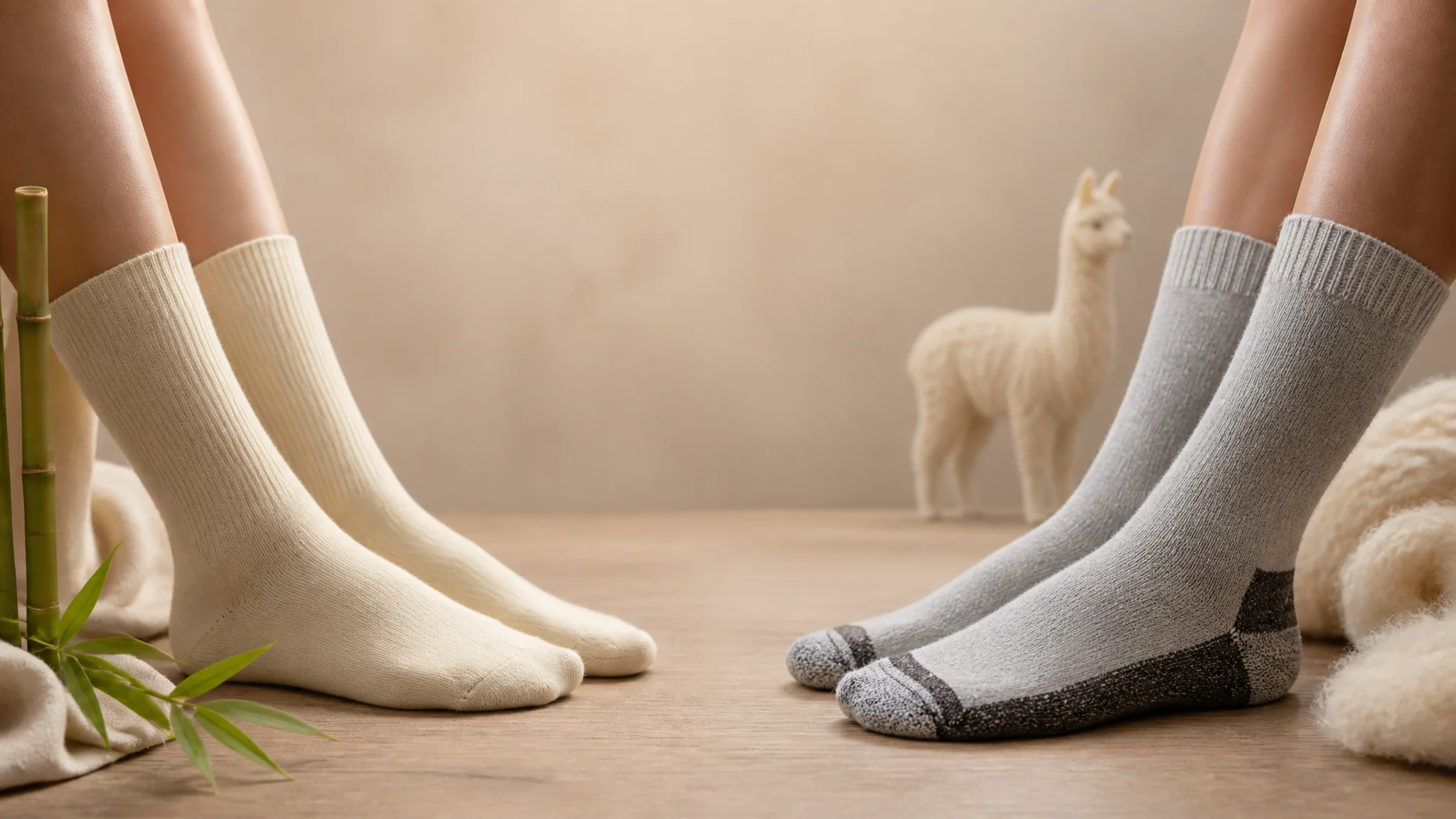
When it comes to selecting the perfect winter garment or a timeless accessory, the choice between natural fibers often boils down to a classic debate: alpaca vs sheep wool. While both have graced the wardrobes of royalty and outdoor enthusiasts for centuries, they offer vastly different experiences in terms of texture, thermal regulation, and overall luxury. Choosing the right material isn't just about fashion; it is an investment in comfort and sustainability. In this guide, we dive deep into the unique characteristics of these fibers to help you decide which one deserves a place in your curated collection.
Warmth and Insulation Differences
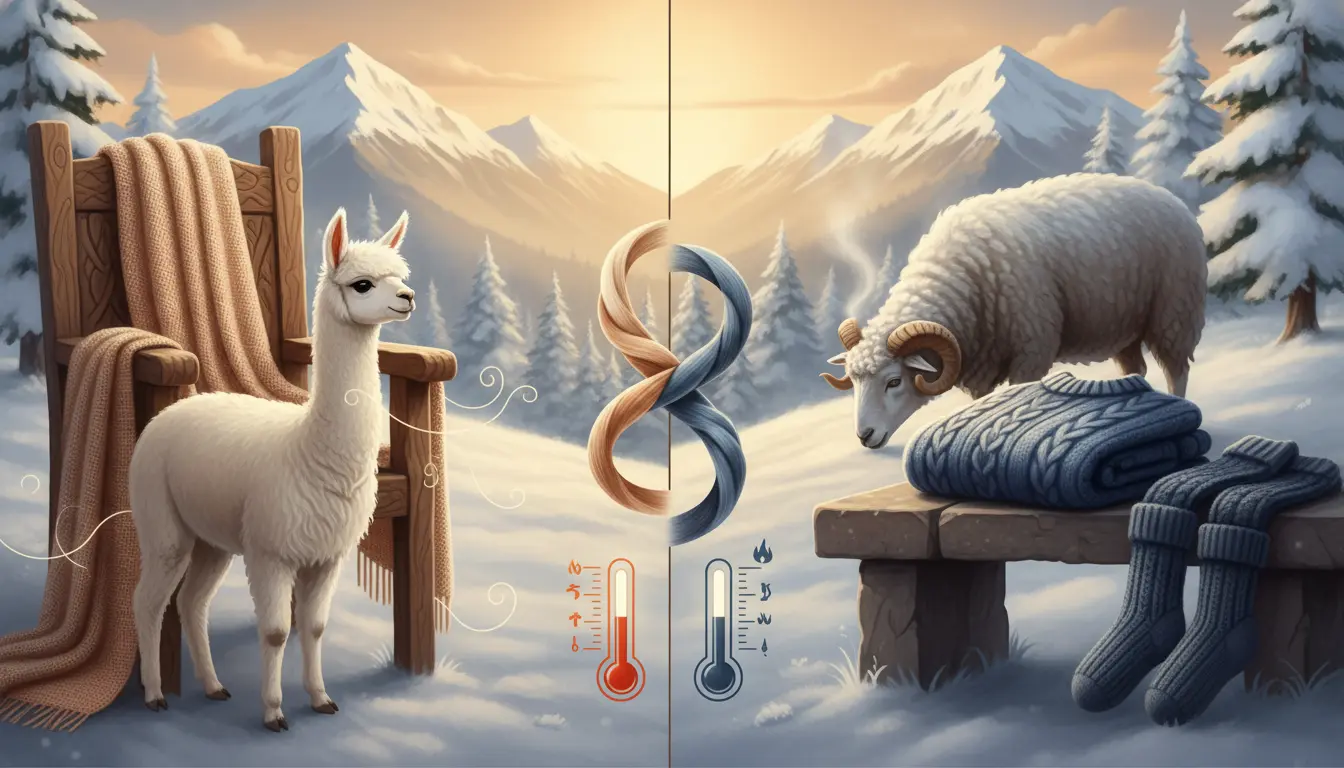
One of the most critical factors in the alpaca vs sheep wool comparison is thermal efficiency. While sheep wool is known for its ability to trap heat, alpaca fiber takes insulation to a scientific level. Alpaca fibers are uniquely hollow, a biological adaptation to the extreme temperature fluctuations of the Andean highlands. These microscopic air pockets act as a natural barrier, trapping body heat more effectively than the solid scales of sheep wool. In fact, studies often suggest that alpaca fiber can be up to seven times warmer than standard sheep wool without the added bulk.
Furthermore, because alpaca fiber is so efficient at insulating, designers can create thinner, lighter garments that provide the same warmth as a heavy, chunky sheep wool sweater. This makes alpaca the preferred choice for those who value a sleek, sophisticated silhouette even in the depths of winter. Sheep wool, while reliable, lacks this hollow-core structure, meaning it often requires a higher density and weight to achieve comparable levels of heat retention.
Comfort, Softness, and the Itch Factor
For many, the biggest deterrent to wearing wool is the notorious "itch factor." This discomfort is primarily caused by two things: the diameter of the fiber (measured in microns) and the presence of lanolin. Sheep wool contains lanolin, a natural oil that protects the sheep's fleece but can cause allergic reactions and skin irritation in humans. Because alpacas do not produce lanolin, their fiber is naturally hypoallergenic, making it the gold standard for individuals with sensitive skin.
When comparing the softness of alpaca vs sheep wool, the scale of the fiber plays a vital role. Sheep wool fibers have prominent scales that can prickle the skin. In contrast, alpaca fibers have smoother, flatter scales that glide against the body. This creates a silk-like handle often compared to cashmere. While high-end Merino wool is significantly softer than traditional sheep wool, it still cannot fully match the natural luster and buttery texture of premium baby alpaca fiber.
| Feature | Alpaca Fiber | Sheep Wool |
|---|---|---|
| Allergenic Properties | Hypoallergenic (Lanolin-free) | Can irritate (Contains Lanolin) |
| Texture | Silky, smooth, and soft | Can be prickly or coarse |
| Fiber Structure | Hollow (High insulation) | Solid (Moderate insulation) |
| Weight | Lightweight and airy | Heavier and denser |
Durability and Long-Term Wear
A luxury garment is an investment, and durability is key to its value. In the battle of alpaca vs sheep wool, alpaca fiber boasts a higher tensile strength. This means the fibers are less likely to break or wear thin over time. Alpaca garments are also remarkably resilient against pilling—those annoying little balls of fuzz that form on the surface of knitwear. Because alpaca fibers are longer and smoother than sheep wool, they stay tucked into the yarn rather than migrating to the surface.
Sheep wool is certainly durable and has been used for rugged outerwear for generations, but it is more prone to shrinking and felting if not handled with extreme care. Alpaca fiber has a lower tendency to shrink, although it still requires gentle maintenance. Because alpaca does not retain oils or odors in the same way sheep wool does, it actually requires less frequent washing, which further extends the lifespan of the garment. When you choose alpaca, you are choosing a piece that can literally last for decades if cared for properly.
Moisture Wicking and Breathability
True luxury is found in comfort across changing environments. This is where moisture-wicking properties become essential. While both alpaca vs sheep wool are breathable natural fibers, they handle moisture differently. Sheep wool can absorb up to 30% of its weight in moisture before feeling wet. However, once it becomes saturated, it takes a long time to dry and can become heavy and cold.
Alpaca fiber has superior wicking capabilities. It moves moisture away from the skin and allows it to evaporate quickly. This unique moisture management system ensures that you stay dry even if you transition from a cold outdoor wind to a heated indoor space. Furthermore, alpaca fiber is naturally water-repellent to a degree, allowing light rain to bead off the surface rather than soaking into the core. This makes it an exceptional choice for active luxury wear, such as golf sweaters or travel wraps, where versatility is paramount.
- Breathability: Alpaca allows for better air circulation, preventing overheating.
- Odor Resistance: Due to the lack of lanolin and moisture retention, alpaca doesn't trap bacteria.
- Water Repellency: Natural oils in sheep wool repel some water, but alpaca's structure sheds it more efficiently.
Price Point and Value for Money
At first glance, sheep wool products are often more affordable than their alpaca counterparts. This is largely due to the scale of production; sheep are farmed globally in massive quantities, whereas alpacas are primarily raised in the high altitudes of the Andes in smaller herds. However, when evaluating the price point, one must look at the cost-per-wear and the long-term value. Alpaca is often considered a "noble fiber," sitting alongside cashmere and silk in terms of prestige and quality.
While a sheep wool sweater might be cheaper today, an alpaca piece offers a higher return on investment through its longevity, lack of pilling, and hypoallergenic nature. You aren't just paying for a brand; you are paying for a rare material that offers superior thermal performance and skin comfort. For the conscious consumer, alpaca is also the more sustainable choice. Alpacas have a lighter footprint on the earth, as their padded feet do not damage the soil and they graze without uprooting the grass, unlike sheep. This environmental value, combined with the fiber's premium physical properties, justifies the investment for those who seek the pinnacle of textile excellence.
The Verdict
Ultimately, the choice of alpaca vs sheep wool depends on your personal priorities. If you are looking for a rugged, utilitarian garment for heavy-duty outdoor work, sheep wool is a sturdy contender. However, if you desire unparalleled softness, hypoallergenic comfort, and a lightweight warmth that feels like a second skin, alpaca is the undisputed winner. It represents a lifestyle of refinement, where quality is chosen over quantity and every piece tells a story of Andean heritage and natural perfection.