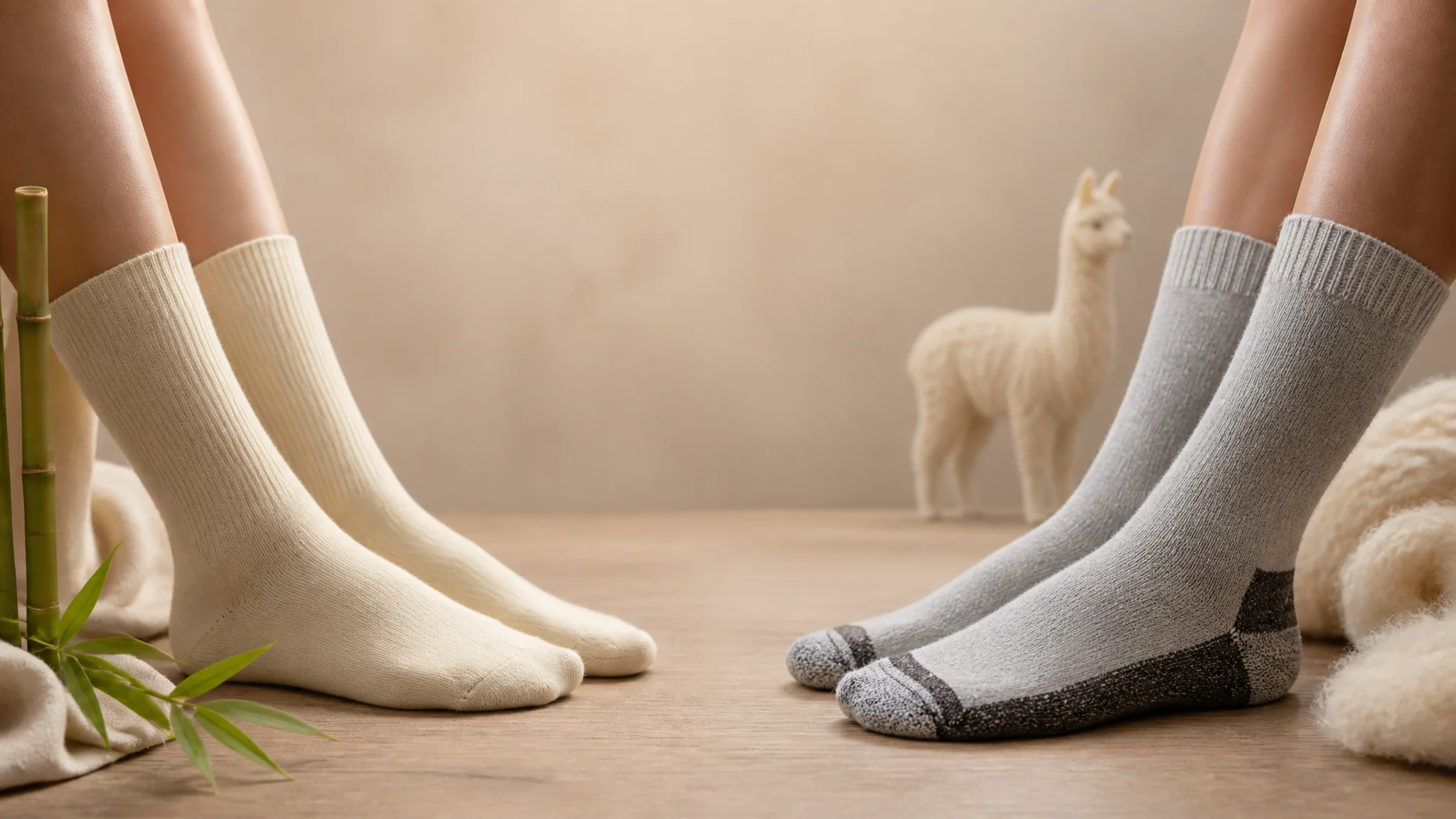
When it comes to selecting the perfect investment piece for your wardrobe, understanding the alpaca wool pros and cons is essential for any discerning fashion enthusiast. Often referred to as the "Fiber of the Gods," alpaca wool has occupied a prestigious place in the textile world for centuries, originating from the high altitudes of the Andes. Today, it remains a cornerstone of luxury, blending unparalleled softness with remarkable technical performance. However, like any premium material, it possesses unique characteristics that may or may not align with your specific lifestyle needs. This guide delves deep into the nuances of this exquisite fiber to help you make an informed decision for your collection.

The Key Advantages of Alpaca Fiber
The popularity of alpaca wool is not merely a matter of trend; it is rooted in the fiber's extraordinary biological properties. From its thermal efficiency to its gentle touch on the skin, the advantages are numerous.
Exceptional Warmth
Alpaca fibers are medullated, meaning they have a hollow core. This structure allows them to trap air and provide superior insulation while remaining incredibly lightweight. It is estimated to be significantly warmer than standard sheep's wool without the bulk.
Hypoallergenic Properties
Unlike sheep's wool, alpaca fiber does not contain lanolin. Lanolin is the oil responsible for most "wool allergies" and the itchy sensation many people experience. This makes alpaca an ideal choice for those with sensitive skin.
- Durability: Alpaca fiber has a higher tensile strength than wool, making it resistant to pilling and allowing garments to last for decades if properly maintained.
- Moisture-Wicking: It naturally repels water and wicks moisture away from the body, keeping you dry and comfortable in various conditions.
- Flame Resistance: Naturally fire-retardant, alpaca wool provides an added layer of safety that synthetic fibers cannot match.
- Luster: The fiber has a natural sheen that mimics the elegance of silk, giving sweaters and scarves a high-end, sophisticated finish.
Common Drawbacks to Consider
While the benefits are compelling, a balanced look at the alpaca wool pros and cons requires acknowledging the challenges associated with this luxury material.
Beyond the price tag, consider these factors:
- Lack of Elasticity: Alpaca fiber lacks the "memory" or crimp found in sheep's wool. This means that if a garment is stretched out significantly, it may not return to its original shape as easily. Manufacturers often blend it with a small amount of wool or silk to mitigate this.
- Specific Laundering Needs: You cannot simply toss an alpaca sweater into the washing machine. It requires gentle hand-washing in cool water with specialized detergents to prevent felting or shrinking.
- Weight: While lightweight in terms of insulation, dense weaves of alpaca can feel heavier than cashmere, which might not be preferable for everyone.
Performance in Different Climates
One of the most misunderstood aspects of alpaca wool is that it is only for the dead of winter. In reality, its thermal properties make it a versatile year-round fiber.
| Climate Type | Performance Benefit | Garment Suggestion |
|---|---|---|
| Extreme Cold | The hollow fibers provide maximum heat retention even in sub-zero temperatures. | Heavy-gauge cardigans and lined coats. |
| Mild/Damp | Water-resistant properties keep you dry during light drizzle without feeling clammy. | Lightweight ponchos and wraps. |
| Indoor/Office | High breathability prevents overheating when moving from the cold outdoors to heated interiors. | Fine-knit sweaters and scarves. |
Because the fiber breathes so well, it effectively regulates body temperature. In warmer transition seasons, a light alpaca blend can provide just enough warmth during a cool evening without causing the wearer to perspire, a common issue with synthetic acrylic blends.
Sustainability and Ethical Impact
In today's fashion landscape, the "how" is just as important as the "what." Choosing alpaca is often a vote for environmental consciousness. Alpacas are "light treading" animals; their soft padded feet do not damage the terrain like the hooves of goats or sheep. Furthermore, their grazing habits are sustainable, as they nibble the tops of grasses rather than pulling them out by the roots.
Ethical harvesting is also a hallmark of high-quality alpaca producers. Shearing is a necessary part of the animal's health to prevent overheating in the summer months, and it is performed by skilled artisans who prioritize the animal's well-being.
How to Identify High-Quality Alpaca
To ensure you are getting the best value, you must know what to look for on the label and how the fabric feels to the touch.
In conclusion, weighing the alpaca wool pros and cons reveals that while it requires a higher level of care and a larger initial investment, the rewards are a lifetime of comfort, warmth, and timeless style. At ClassicAlpaca, we believe that luxury should be sustainable and enduring. By choosing alpaca, you are investing in a piece of textile history that respects both the earth and the wearer.