
When seeking the pinnacle of luxury textiles, one question frequently arises among discerning fashion enthusiasts: what is alpaca wool and why has it captivated the world of high fashion for centuries? Often referred to as the "Gold of the Andes," alpaca wool is not merely a fabric; it is a legacy of the South American highlands, offering a combination of warmth, softness, and sustainability that few other natural fibers can match. At ClassicAlpaca, we believe that understanding the essence of this fiber is the first step toward appreciating the unparalleled comfort of our collections.
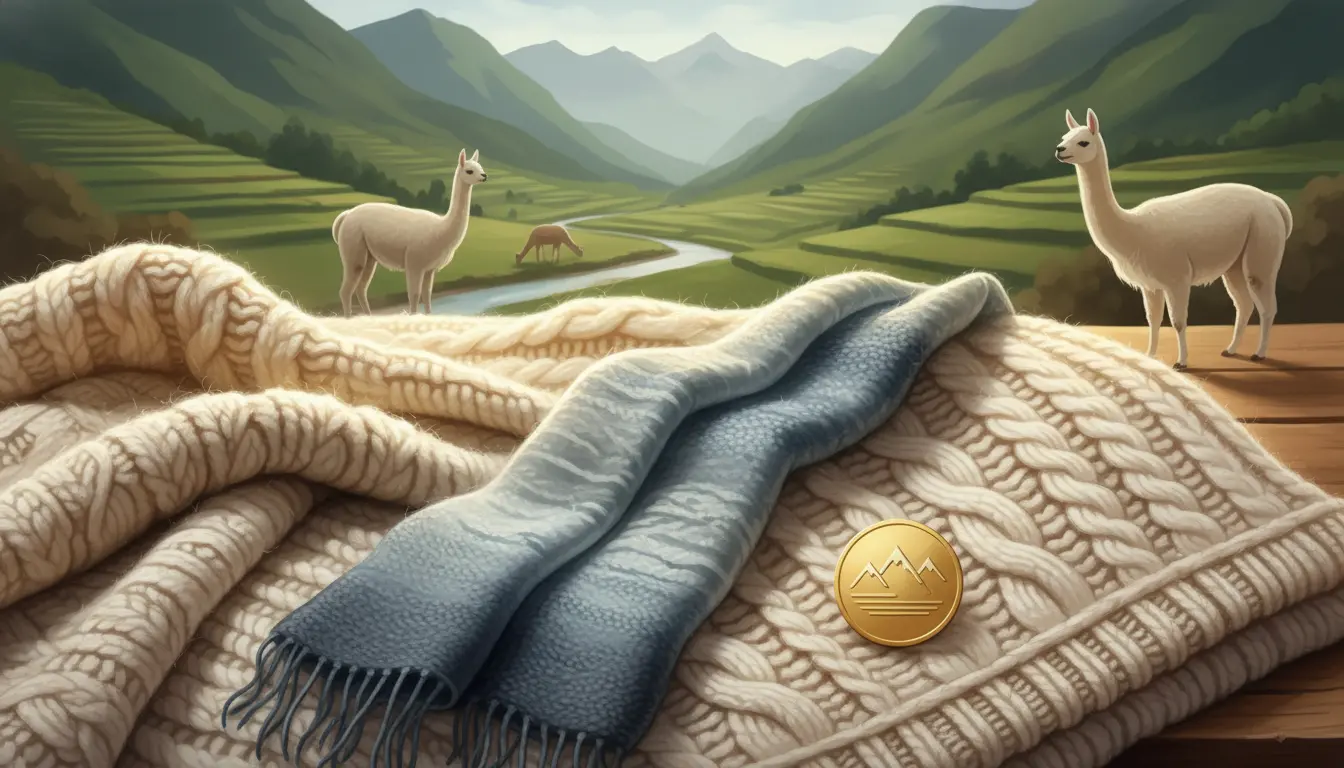
What is alpaca wool and how is it different from other natural fibers?
Alpaca wool is a natural hair fiber harvested from alpacas, domesticated members of the camelid family native to the high altitudes of the Andes Mountains. While it is technically a hair rather than a wool (as it lacks the lanolin found in sheep's wool), the term "alpaca wool" is the standard nomenclature used to describe this premium textile.
To truly understand what is alpaca wool, one must compare it to its peers. Unlike sheep's wool, which can often feel prickly or heavy, alpaca is incredibly lightweight and smooth. Compared to cashmere, alpaca is more durable and offers superior thermal properties. Below is a comparison of how alpaca stacks up against other common natural fibers:
| Feature | Alpaca Wool | Sheep's Wool | Cashmere |
|---|---|---|---|
| Softness | Extremely high; silk-like feel | Can be coarse or prickly | Very high; delicate |
| Weight-to-Warmth | Superior; hollow fibers | Heavy when warm | Excellent but fragile |
| Hypoallergenic | Yes (Lanolin-free) | No (Contains lanolin) | Yes |
| Durability | High; long-lasting | High | Moderate; prone to pilling |
Where does alpaca wool come from and how is it produced?
The story of alpaca wool begins in the Altiplano of the Andes, spanning parts of Peru, Bolivia, and Chile. Here, at elevations exceeding 11,000 feet, alpacas have evolved to survive extreme temperature fluctuations. This harsh environment is precisely what makes their fleece so resilient and insulating.
The production process is a blend of ancient tradition and modern refinement:
What characteristics define alpaca wool as a premium textile fiber?
What makes alpaca wool stand out in the luxury market is its unique set of physical properties. Beyond its tactile appeal, it is a functional powerhouse. Its water-resistant nature means it can wick moisture away from the skin, keeping the wearer dry in humid conditions. Furthermore, it is naturally flame-resistant and does not accumulate static electricity.
Because it lacks lanolin (the natural oil found in sheep's wool), alpaca fiber is considered hypoallergenic. This is a game-changer for individuals with sensitive skin who typically experience "wool allergies." Most of the time, those allergies are actually a reaction to lanolin or the rough scales of sheep's wool—neither of which are present in high-quality alpaca wool.
Why is alpaca wool known for its softness and warmth?
The secret to the legendary warmth of alpaca wool lies in its microscopic structure. Unlike most animal fibers, alpaca hair contains microscopic air pockets. These "hollow cores" act as natural insulators, trapping body heat in cold weather while allowing for breathability when the temperature rises. This makes alpaca wool a versatile choice for year-round wear.
Softness is measured by the micron count—the diameter of the individual fiber. The lower the micron count, the softer the fiber. "Baby Alpaca," which refers to the finest selections of adult alpaca fleece (not necessarily from a baby animal), rivals the softness of cashmere but offers much greater tensile strength. This ensures that a ClassicAlpaca sweater isn't just soft today; it stays soft and maintains its shape for decades.
How alpaca wool is used in clothing and luxury textiles
At ClassicAlpaca, we transform this raw excellence into wearable art. The versatility of the fiber allows it to be used in various applications:
What makes alpaca wool a sustainable and eco-friendly material
In an era of fast fashion, what is alpaca wool if not the ultimate sustainable alternative? Alpacas are "light treading" animals. Unlike goats or sheep, which can be destructive to the terrain, alpacas have soft padded feet that do not damage the root systems of the grass they graze on. Furthermore, they are efficient eaters, requiring less water and food than other livestock.
The processing of alpaca wool also tends to be more eco-friendly. Since it lacks lanolin, the scouring process does not require harsh chemicals or high temperatures to clean the fiber. When you choose an alpaca product, you are supporting a biological cycle that has remained in harmony with the Earth for over 5,000 years.