
Owning a piece of alpaca knitwear is akin to holding a piece of textile history. Often referred to as the "fiber of the gods," alpaca is prized for its ethereal softness, incredible warmth, and sophisticated luster. However, to ensure these heirloom-quality pieces remain a staple in your wardrobe, understanding how to care for alpaca wool is essential. Unlike standard wool or synthetic blends, alpaca requires a touch of finesse and specific techniques to maintain its structural integrity and silky hand-feel for decades to come.
How often to wash alpaca wool
One of the most remarkable qualities of alpaca fiber is its natural resistance to odors, bacteria, and staining. Because alpaca wool does not contain lanolin (the wax found in sheep’s wool), it is naturally hypoallergenic and less prone to trapping dust and oils. Consequently, you do not need to wash your alpaca garments nearly as often as you might think.
Frequent washing can lead to unnecessary wear on the fibers. Only commit to a full wash if the garment has visible dirt, has lost its shape, or is being prepared for long-term seasonal storage. For minor refreshes, a high-quality garment steamer can work wonders to smooth out wrinkles and revitalize the pile without the stress of submersion.
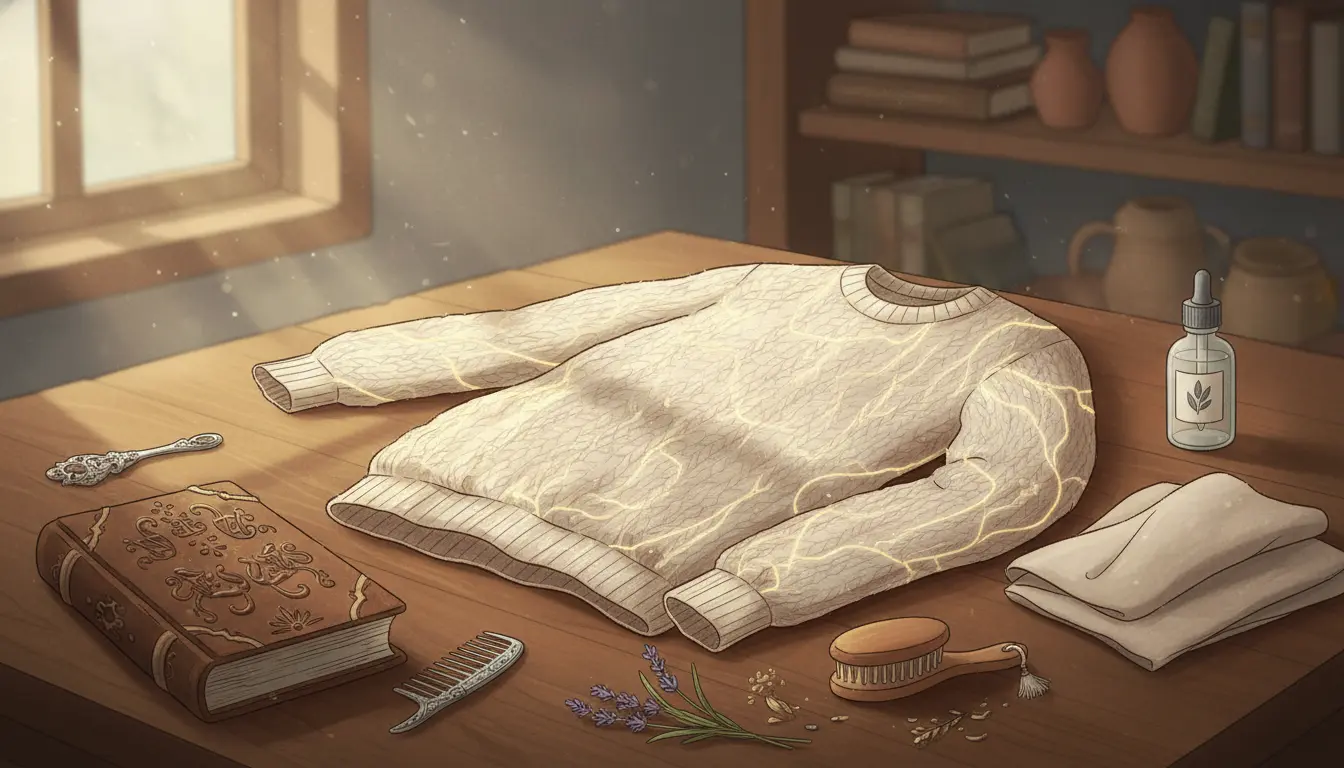
The best way to hand wash alpaca wool safely
Hand washing is universally recognized as the gold standard for maintaining the lifespan of luxury fibers. It allows you to control the temperature and agitation, ensuring the delicate scales of the alpaca fiber do not interlock and cause felting.
- Prepare the Basin: Fill a clean sink or basin with cool to lukewarm water (never exceeding 85°F or 30°C). Use a mild, pH-neutral detergent specifically formulated for wool or silk.
- Submerge Gently: Place the garment in the water and gently squeeze the soapy water through the fibers. Do not scrub, twist, or wring the fabric, as this will cause permanent distortion.
- Soak: Allow the piece to soak for 10 to 15 minutes. This is usually enough time for the detergent to lift any impurities.
- Rinse: Drain the soapy water and refill the basin with fresh, cool water. Continue rinsing until all soap suds are gone. Again, refrain from running heavy streams of water directly onto the garment to prevent stretching.
Can you machine wash alpaca wool without damaging it?
While hand washing is preferred, modern technology has made it possible to use a washing machine under very specific conditions. However, this comes with a level of risk that must be managed carefully. If your garment's care label strictly says "Dry Clean Only," it is best to follow that advice. If it allows for machine washing, follow these non-negotiable steps:
| Requirement | The Proper Method |
|---|---|
| Cycle | Always select the "Hand Wash" or "Delicate" cycle with the lowest possible spin speed. |
| Temperature | Ensure the setting is strictly "Cold." Thermal shock is a primary cause of shrinkage. |
| Protection | Place the garment inside a high-quality mesh laundry bag to prevent snagging on the drum. |
| Detergent | Use a specialized wool wash; avoid any detergents with enzymes or bleach. |
Even with these precautions, machine washing can eventually lead to pilling. If you truly value the piece, the five minutes it takes to hand wash is a worthwhile investment in its longevity.
How to dry alpaca wool properly to maintain its shape
The drying phase is where most alpaca care mishaps occur. Wet wool is heavy, and gravity is its worst enemy. Never, under any circumstances, hang a wet alpaca sweater on a coat hanger. This will result in "shoulder nipples" and a permanently elongated silhouette.
The secret to professional drying is the Towel Roll Method. Lay the freshly rinsed garment flat on a clean, thick white towel. Roll the towel up like a sleeping bag, pressing firmly as you go to absorb the excess moisture. Do not wring the towel. Once the towel has absorbed most of the water, unroll it and move the garment to a fresh, dry flat surface—preferably a mesh drying rack.
How to store alpaca wool garments to keep them in good condition
Proper storage is the final pillar of how to care for alpaca wool. Since alpaca is a natural protein fiber, it can be an attractive snack for moths. Furthermore, the way you position the garment in your closet affects its shape over time.
- Fold, Don't Hang: Even when dry, the weight of a knit garment can cause it to stretch if left on a hanger. Fold your sweaters neatly and stack them on shelves or in drawers.
- Breathable Containers: If storing for the off-season, use cotton garment bags or breathable canvas bins. Avoid plastic containers, which can trap moisture and lead to mildew.
- Natural Repellents: Place cedar blocks or lavender sachets near your woolens. These provide a pleasant scent while naturally deterring pests without the harsh chemical odor of mothballs.
- Clean Before Storage: Never store a garment for the season without washing it first. Invisible stains or body oils can oxidize over time and attract insects.
Common alpaca wool care mistakes and how to avoid them
Even well-intentioned owners can make mistakes. By recognizing these common pitfalls, you can protect your investment and keep your knitwear looking brand new.
In conclusion, learning how to care for alpaca wool is not about difficult labor, but rather about patience and respect for the material. By choosing gentle detergents, avoiding heat, and storing your pieces correctly, you are preserving the luxury of alpaca for years—and potentially generations—to come. At ClassicAlpaca, we believe that high-quality fashion should last a lifetime, and with these simple steps, your favorite knits will continue to provide that signature warmth and softness every time you slip them on.