
In the world of luxury sustainable fashion, the intrinsic value of a garment is often measured by the purity of its origins. While many textiles rely on intensive chemical processes to achieve specific tones, the natural alpaca color spectrum is one of the most diverse and magnificent in the animal kingdom. At ClassicAlpaca, we celebrate this biological miracle, where nature itself provides a palette that rivals any synthetic collection. For the discerning connoisseur, understanding the depth of these shades—and specifically identifying the most rare alpaca colors—is the first step toward appreciating the true heritage of the High Andes. Unlike other wool-producing animals, alpacas have been bred for millennia to produce a variety of pigments that maintain their luster and softness without the need for caustic dyes, making every piece a testament to eco-friendly elegance.
The Scientific Majesty of Natural Alpaca Color
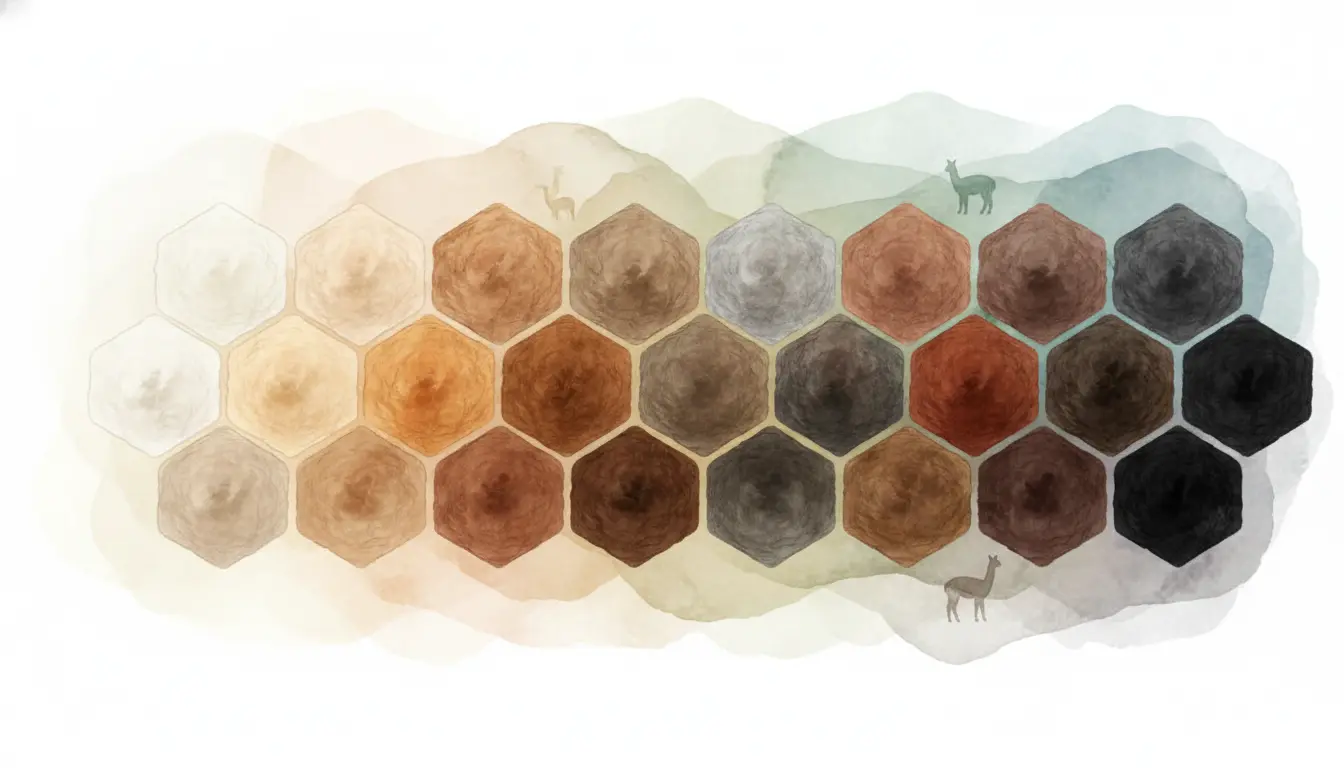
The complexity of alpaca fiber begins with the cellular structure of the animal's fleece. There are more than 22 officially recognized natural shades of alpaca fiber, a range that is virtually unmatched by any other fiber-bearing animal. This diversity is not merely a visual treat; it is a genetic triumph. The primary categories include white, beige, fawn, brown, gray, and black. However, within these categories lies a subtle graduation of tones that experts use to classify the quality and value of the clip. The way light reflects off the scales of the fiber—which are smoother than those of sheep’s wool—gives these natural colors a distinctive sheen that appears to glow from within.
The Color Spectrum Categories
- Whites & Beiges: The most common, prized for their ability to be dyed if necessary, yet stunning in their ivory purity.
- Fawns: Ranging from light champagne to deep honey tones, these are the quintessential 'alpaca' colors.
- Browns: From light milk chocolate to deep, dark mahogany.
- Grays: A sophisticated mix of white and black fibers that create a heathered effect.
- Blacks: The rarest of the solid primaries, often appearing as a deep, velvet charcoal.
Defining the Most Rare Alpaca Colors
While fawns and whites are more prevalent in the industry, the market for rare alpaca colors has seen a significant surge in demand among luxury designers. Specifically, the 'Rose Gray' and 'Silver Gray' are among the most difficult to produce consistently. A Rose Gray fleece is a mesmerizing blend of white, black, and brown fibers that result in a lavender or pinkish-tinged gray that is almost impossible to replicate with synthetic dyes. Similarly, True Black is a rarity; many fleeces that appear black at a distance are actually very dark brown upon closer inspection at the skin level. Finding a fleece that is genetically pure 'True Black' from tip to root is a prize for any breeder and a treasure for any wardrobe.
| Color Type | Rarity Level | Visual Characteristic |
|---|---|---|
| Light Fawn | Common | Warm, golden beige with high luster. |
| Rose Gray | Very Rare | Heathered blend with a distinct pink/mauve undertone. |
| Silver Gray | Rare | Cool, metallic sheen with a salt-and-pepper finish. |
| True Black | Very Rare | Deep, ink-like saturation with no brown undertones. |
| Dark Mahogany | Uncommon | Rich, reddish-brown similar to aged wood. |
The Influence of Genetics on Fiber Pigmentation
Breeding for a specific alpaca color is both an art and a science. The genetics of alpaca pigmentation are incredibly complex, often leading to surprise results in the birthing season. Breeders who specialize in rare alpaca colors must carefully manage lineages to maintain the purity of the gray and black genes, which are often recessive. This difficulty in production is exactly what drives the exclusivity of the resulting garments. When you wear a sweater in a natural silver gray, you are wearing a piece of biological history that required generations of careful stewardship to manifest. This genetic variety also ensures that no two natural, undyed garments are ever exactly the same, offering a level of personalization that mass-produced fashion simply cannot match.
Sustainable Luxury: Why No-Dye Tones Matter
Choosing to embrace the natural alpaca color palette is one of the most impactful decisions a consumer can make for the planet. The textile dyeing industry is one of the largest polluters of fresh water globally. By opting for the natural shades of the alpaca, we eliminate the need for heavy metals, chemical fixatives, and massive amounts of water consumption. Furthermore, undyed fiber maintains its structural integrity better than dyed fiber. Chemicals used in the dyeing process can occasionally strip the natural oils and weaken the scales of the fiber; natural alpaca remains incredibly strong, soft, and resilient. This sustainability story is at the heart of ClassicAlpaca’s mission, providing a luxury experience that respects the earth.
How to Choose and Coordinate Your Natural Shades
Building a wardrobe around natural alpaca tones offers a timeless, sophisticated aesthetic. Because these colors are derived from the earth, they possess an inherent harmony that allows them to be mixed and matched with ease. A charcoal gray scarf perfectly complements a light fawn sweater, creating a high-contrast look that remains grounded in nature. When selecting a piece, consider the undertones: silver grays work beautifully with cool-toned wardrobes, while the warmth of a medium brown or dark fawn adds a cozy, inviting feel to any ensemble. Because these rare alpaca colors are so distinctive, they often serve as the focal point of an outfit, requiring little accessorizing to make a powerful statement of style.
Caring for Your Naturally Colored Alpaca Pieces
To ensure that your alpaca color remains as vibrant as the day it was shorn, proper maintenance is key. Natural fibers are resistant to fading, but they do require gentle handling to preserve their luster. We recommend hand washing in cool water with a pH-neutral detergent. Avoid harsh bleaches or brightening agents, which can interfere with the natural oils of the fleece. When drying, always lay the garment flat to prevent stretching. Interestingly, natural alpaca fiber is somewhat self-cleaning; the lack of lanolin means it does not trap dust or odors as easily as sheep's wool, meaning you can wash your luxury pieces less frequently, further extending their lifespan and beauty.
A Legacy of Color
The journey from the Andean highlands to your closet is a celebration of nature’s diversity. Whether you are drawn to the common elegance of a creamy white or the elusive allure of rare alpaca colors, you are participating in a tradition of luxury that is as old as the mountains themselves. At ClassicAlpaca, we invite you to explore this spectrum and find the shade that resonates with your personal style and commitment to sustainable living.