
When it comes to selecting the finest natural fibers for your wardrobe, the debate of alpaca vs llama wool often takes center stage. While both originate from the majestic Andean highlands, understanding the nuances between alpaca wool vs llama wool is essential for anyone seeking the pinnacle of luxury, comfort, and sustainable fashion. At ClassicAlpaca, we believe that the choice of material defines the soul of a garment, and choosing between these two camelid fibers requires a deep dive into their unique characteristics.
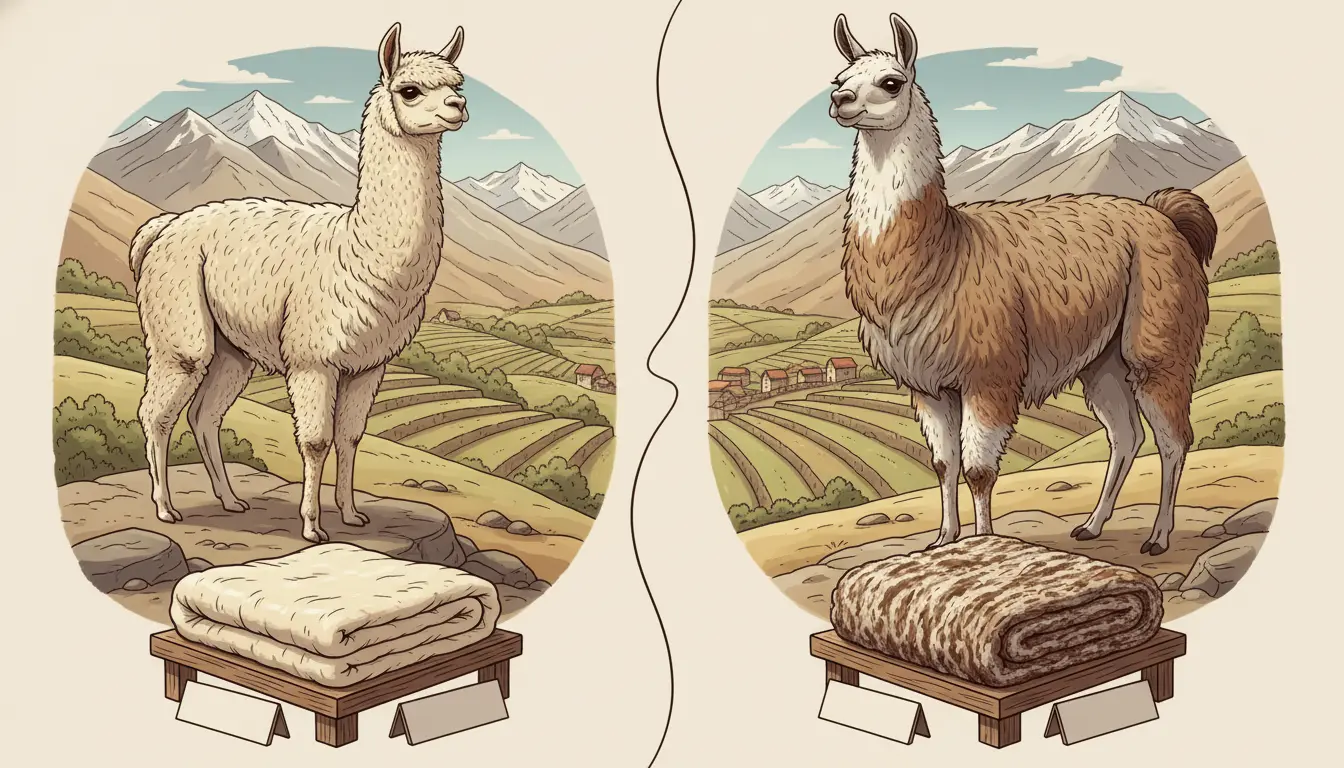
Key differences between alpaca and llama wool
To the untrained eye, the alpaca and the llama might look like cousins in the same fuzzy family—which they are—but their roles in human history and the quality of their coats couldn't be more distinct. The primary difference lies in their evolutionary purpose. Alpacas have been selectively bred for over six thousand years specifically for their fiber, often referred to as "The Fiber of the Gods." Llamas, on the other hand, were primarily bred as pack animals, designed for strength and endurance across rugged terrain.
When examining alpaca wool vs llama wool, the physical structure of the fiber is the most significant differentiator. Llama wool is typically dual-coated, featuring a coarse outer layer of guard hairs and a softer undercoat. To make llama wool wearable, the guard hairs must be meticulously separated, a process that is often labor-intensive and results in a lower yield of soft material. In contrast, the alpaca's entire fleece is primarily composed of the soft, desirable fiber used in luxury apparel.
Warmth and insulation: alpaca vs llama
In the high altitudes of the Andes, temperature fluctuations are extreme. Both animals have evolved to survive these conditions, but their wool manages heat in slightly different ways. Both fibers are "medullated," meaning they contain a hollow core that traps air. This provides incredible thermal insulation, keeping you warm in the winter and surprisingly cool during transitional seasons.
When comparing the insulation of alpaca vs llama wool, alpaca fiber is generally considered superior for luxury garments because it offers high thermal capacity without the weight. Because alpaca fibers are finer, they can be woven into lighter fabrics that still offer exceptional warmth. Llama wool is often bulkier, which makes it excellent for heavy-duty insulation but less ideal for the elegant, draped silhouettes found in high-end fashion.
Softness and texture comparison
If you are looking for a garment that feels like a second skin, the softness of the fiber is paramount. This is where alpaca wool vs llama wool truly diverge. Softness in wool is measured in microns (one-millionth of a meter). The lower the micron count, the softer and less "itchy" the fiber feels against the skin.
| Fiber Type | Typical Micron Count | Skin Feel |
|---|---|---|
| Royal Alpaca | 18 - 20 | Ultra-silky, cashmere-like |
| Baby Alpaca | 20 - 22.5 | Extremely soft, luxurious |
| Fine Llama Undercoat | 20 - 30 | Soft but can vary significantly |
| Standard Llama | 30+ | Prickly, suited for outerwear only |
The "prickle factor" is a common complaint with coarser wools. Because llamas have many guard hairs that can be difficult to fully extract, llama wool products can sometimes feel scratchy. In the alpaca vs llama wool debate, alpaca is the undisputed winner for next-to-skin comfort. Specialized grades like "Baby Alpaca" provide a level of softness that rivals cashmere, making it the preferred choice for scarves, sweaters, and luxury throws.
Durability and long-term care
Luxury is an investment, and durability is a key factor in the longevity of that investment. Both alpaca and llama fibers are remarkably strong—significantly stronger than sheep's wool. They have a high tensile strength, meaning they don't break easily under tension, and they are naturally resistant to pilling if processed correctly.
However, because llama fiber is often coarser, it can be slightly more rugged in extreme conditions. It is frequently used for ropes and rugs because of this inherent toughness. Alpaca wool, while delicate in feel, is surprisingly resilient. It has more "memory" than llama wool, meaning it holds its shape better over years of wear. When comparing alpaca wool vs llama wool for long-term care, both benefit from the lack of lanolin (wool grease). This means they don't trap dust or odors as easily as sheep's wool, requiring less frequent washing.
Best uses for alpaca wool vs llama wool
Given their differing textures and strengths, these fibers excel in different applications. Understanding these can help you make an informed purchase for your lifestyle.
- High-End Apparel: Sweaters, cardigans, and coats that require a beautiful drape and soft hand-feel.
- Accessories: Scarves, hats, and gloves that touch sensitive skin.
- Luxury Home Decor: Throw blankets and pillows that offer warmth and a silky texture.
- Baby Clothing: Its hypoallergenic and soft nature makes it perfect for infants.
- Heavy Outerwear: Thick ponchos or work jackets meant for harsh climates.
- Industrial Textiles: Rugs, carpets, and tapestries where durability is more important than softness.
- Outdoor Gear: Linings for boots or heavy-duty blankets.
The choice between alpaca wool vs llama wool often comes down to the intended proximity to the skin. If you want a garment that feels like a warm embrace, alpaca is the way to go. If you need something for a rug that will withstand heavy foot traffic, llama wool might be the more practical choice.
How to choose the right wool for your needs
Selecting the right fiber is a personal journey. When deciding on alpaca vs llama wool, ask yourself the following questions:
- Where will I wear it? If it's a base layer or a scarf, prioritize the low micron count of alpaca.
- How sensitive is my skin? Those with sensitive skin almost always prefer the smoothness of alpaca fiber over the potentially irregular texture of llama.
- What is my budget? High-quality llama wool (well-dehaired) can be expensive due to the processing required, but generally, high-grade alpaca is considered the premium investment in the fashion world.
- What is the desired aesthetic? Alpaca has a natural luster and silkiness that reflects light beautifully, whereas llama wool tends to have a more matte, rustic appearance.
At ClassicAlpaca, we have dedicated ourselves to the refinement of alpaca fiber. We believe that the unique combination of warmth, lightness, and incredible softness makes it the ultimate material for the modern, conscious consumer. While both fibers have their merits in the alpaca vs llama wool comparison, the sophisticated elegance of alpaca remains unmatched for those who value both style and substance.
Ultimately, whether you choose the rugged utility of llama or the refined luxury of alpaca, you are supporting a tradition of sustainable herding that has existed for millennia. Both animals are light on the land, and their fibers represent a harmonious relationship between nature and craftsmanship. Explore our collection today to experience the difference that high-quality alpaca fiber can make in your daily life.