
When you invest in a piece of luxury knitwear, the question "does alpaca wool pill?" is often at the forefront of your mind. Alpaca fiber is celebrated globally for its silk-like luster, incredible thermal properties, and cloud-like softness, yet even the most exquisite natural fibers can fall victim to those dreaded small fuzzballs known as pills. The truth is that while alpaca is naturally more resistant to pilling than many other wools, it is not entirely immune. Understanding the science behind these fibers and avoiding common washing mistakes is essential to preserving the heirloom quality of your favorite ClassicAlpaca garments.
What causes alpaca wool to pill
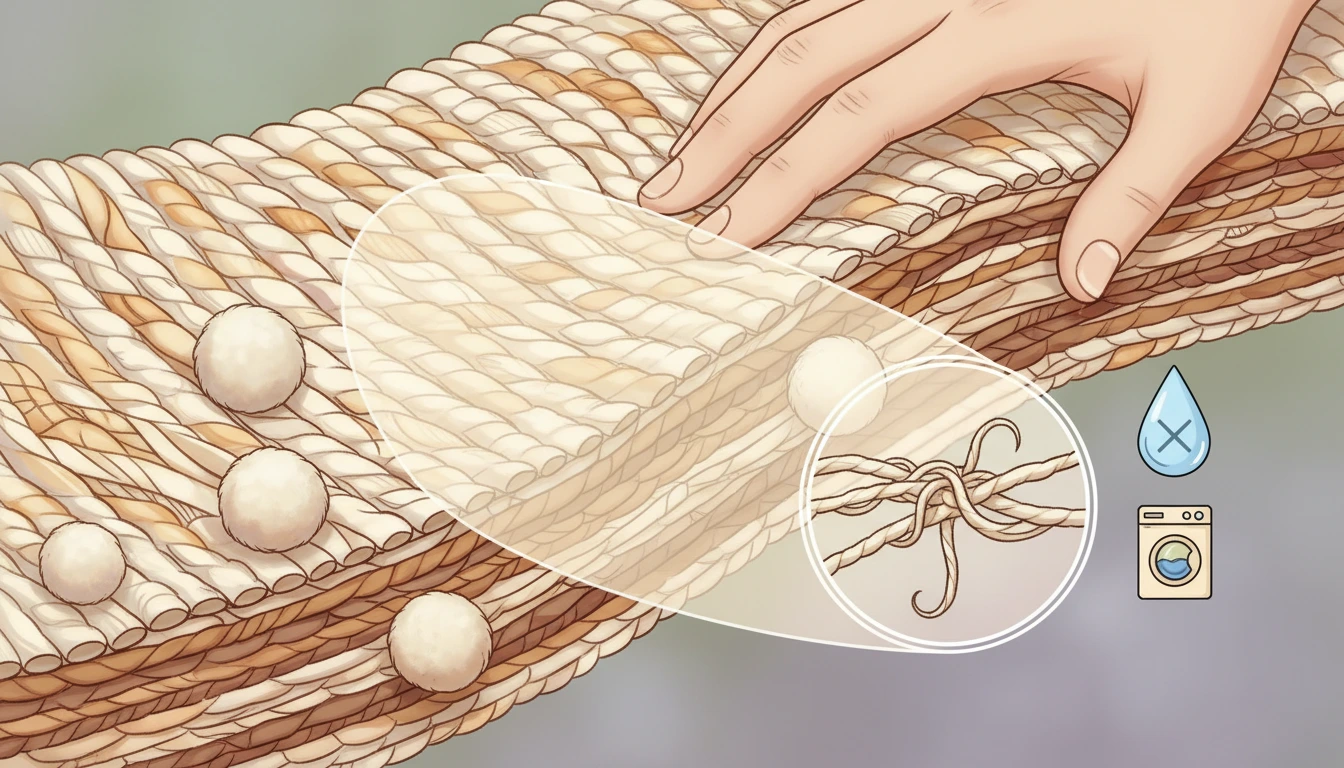
Pilling is a natural phenomenon that occurs when the ends of fibers become loose and entangle with one another, forming tiny balls on the surface of the fabric. In the world of textiles, this is typically caused by friction. When two surfaces rub together—think of the area under your arms or where a handbag rests against your side—the agitation pulls the fiber ends out of the spun yarn.
However, alpaca wool has a unique advantage over sheep's wool. Alpaca fibers have a much smoother scale structure than sheep's wool, which features prominent, jagged scales that lock together easily. This smoothness is why alpaca feels so soft against the skin and why it is less prone to the mechanical interlocking that leads to pilling. Despite this advantage, pilling can still occur if the garment is subjected to excessive abrasion, heat, or moisture, which can weaken the yarn structure and allow fibers to migrate to the surface.
Common washing mistakes that lead to pilling
If you have noticed your luxury knits losing their smooth finish, the culprit is likely your laundry routine. Many people treat alpaca like standard cotton or synthetic blends, but this delicate fiber requires a more refined approach. Here are the most frequent errors that contribute to pilling:
How to properly wash and care for alpaca wool
To ensure your alpaca remains in pristine condition, hand washing is the gold standard. It allows you to maintain total control over the environment and movement of the garment. Follow this ritual for a perfect clean:
Use cool to lukewarm water (never exceeding 85°F/30°C). Ensure the basin is large enough to submerge the garment without crowding it.
Mix your chosen cleanser into the water before adding the garment. Never pour detergent directly onto the wool.
Submerge the item and gently squeeze the soapy water through the fibers. Do not rub, scrub, or wring the fabric.
Drain the soapy water and refill with fresh, cool water of the same temperature. Repeat until the soap is gone.
Lay the garment flat on a clean white towel. Roll the towel up like a sleeping bag and press firmly to absorb excess moisture. Do not wring or twist.
Best detergents and water temperature for alpaca garments
Choosing the right products is just as important as the technique. Harsh chemicals found in standard detergents can strip the natural oils from alpaca fiber, leaving it brittle and prone to breaking—which, in turn, leads to more pilling. Use the following guide to select your supplies:
| Feature | Recommendation | Why it Matters |
|---|---|---|
| Detergent Type | PH-Neutral / Wool Specific | Protects the protein structure of the fiber. |
| Water Temperature | 65°F - 80°F (Cool) | Prevents fiber shock and scale expansion. |
| Fabric Softener | Avoid completely | Softeners coat the fiber in wax, which can lead to matting and attracting dirt. |
| Spot Treatments | Baby Shampoo | Mild enough to remove oils without damaging the luxury texture. |
Tips to remove and prevent pills on alpaca wool
Even with the best care, life happens. Friction from wearing a coat over your sweater or sitting against a textured chair can cause minor pilling. Fortunately, pilling is not a death sentence for your garment; it is a maintenance task, much like polishing fine shoes.
Prevention Strategies
Prevention is the best cure. To minimize pilling during daily wear, give your garments a rest. Do not wear the same alpaca sweater two days in a row; the fibers need time to spring back to their original shape. Additionally, turn your garments inside out when storing or when doing a very gentle hand wash to protect the outer surface from abrasion.
Safe Removal Techniques
If pills do appear, do not pull them off by hand. Pulling a pill often draws out more of the fiber from the yarn, ensuring a new pill will form in its place almost immediately. Instead, use a dedicated wool comb or a high-quality electric fabric shaver. For alpaca, a comb is often preferred as it is gentler and allows for more precision. Hold the garment flat and taut, then gently glide the comb over the affected areas in one direction.
Choosing high-quality alpaca wool to minimize pilling
The best way to avoid pilling is to start with superior quality. Not all alpaca is created equal. When shopping for luxury knits, pay close attention to the grade of the fiber and the construction of the garment. This is where ClassicAlpaca's commitment to excellence makes the difference.
Lower-grade alpaca fibers are thicker and shorter, which makes them much more likely to poke out of the yarn and tangle. Conversely, Baby Alpaca (the term for the finest part of the fleece, not necessarily the age of the animal) is incredibly fine—usually between 20 to 22 microns. These fine fibers are spun more tightly and have a smoother profile, making it significantly harder for pills to form. When you choose a high-quality, tightly spun knit, you are choosing a piece that will maintain its smooth, lustrous finish for decades rather than just one season.
Final Thoughts for the Connoisseur
Does alpaca wool pill? Occasionally, yes—but it is a manageable trait of a living, natural fiber. By avoiding the common pitfalls of machine washing, choosing the right temperature, and investing in high-micron alpaca, you can ensure that your wardrobe remains a testament to luxury and style. At ClassicAlpaca, we believe that the beauty of our garments lies in their longevity. With the right care, your alpaca pieces will not only resist pilling but will actually become softer and more comfortable over time, truly earning their place as cherished favorites in your collection.