
When you first touch the ethereal softness of a premium alpaca garment, a question naturally arises regarding the origins of such exquisite luxury: Are alpacas killed for their fur? For the discerning consumer who values both elegance and animal welfare, the answer is a resounding no—at least not in the way many imagine. Unlike the traditional fur industry where animals are raised specifically for their pelts, the alpaca industry is centered on the sustainable harvest of fleece, a process that is not only harmless but essential for the animal's well-being. At ClassicAlpaca, we believe that true luxury is found at the intersection of quality and compassion, and understanding how these gentle creatures are treated is the first step in appreciating the value of their fiber.
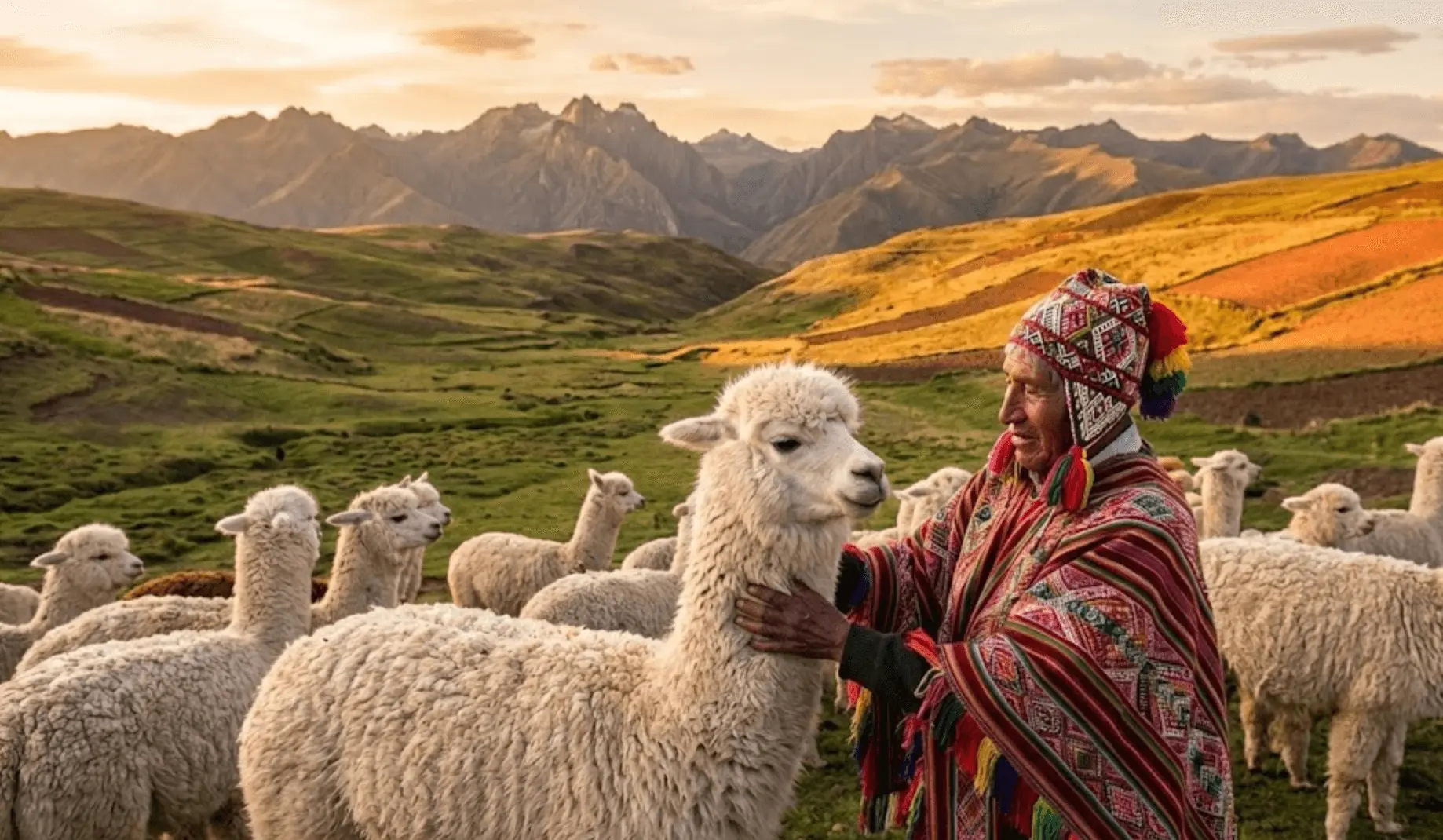
How alpaca wool is collected without harming the animals
The process of collecting alpaca fiber is much more akin to a trip to a high-end salon than an act of harm. Known as shearing, this process involves carefully removing the animal's heavy fleece once a year, typically in the spring. Because alpacas evolved in the high altitudes of the Andes, they grow incredibly thick coats to survive freezing temperatures. However, without human intervention, these coats would continue to grow indefinitely, leading to severe health risks when the warmer seasons arrive. If left unshorn, an alpaca can suffer from heat stress, skin infections, and even mobility issues due to the sheer weight of the wool.
Did you know? An adult alpaca can produce between 5 to 10 pounds of high-quality fiber in a single shearing session, providing enough material for several luxury sweaters without shedding a single drop of blood.
Differences between shearing alpacas and harvesting fur
In the textile world, the terms "fur" and "wool" are often used interchangeably by mistake, but the distinction is vital for ethical consumption. When we discuss are alpacas killed for their fur, we must clarify that alpaca garments are almost exclusively made from shorn fiber (wool). However, "alpaca fur" products, such as decorative rugs or small plush toys, do exist. The critical difference lies in the source of the material.
| Feature | Shorn Alpaca Wool (Fiber) | Alpaca Fur (Pelt) |
|---|---|---|
| Source | Living alpacas during their yearly "haircut." | The skin of an animal that has passed away. |
| Continuity | Renewable; the alpaca grows a new coat every year. | One-time use; requires the death of the animal. |
| Industry Standard | The primary source for luxury apparel and knitwear. | A byproduct of natural mortality or meat industry. |
| Ethical Status | Cruelty-free and sustainable. | Acceptable only as a natural byproduct. |
Ethical brands like ClassicAlpaca ensure that any fur products offered are sourced solely from animals that have died of natural causes. In the harsh Andean winters, infant alpacas (crias) can sometimes succumb to the elements. Local farmers, out of respect for the animal and the necessity of their livelihood, use the pelts so that no part of the creature is wasted. No alpaca is ever sacrificed solely for its fur.
Ethical alpaca farming practices around the world
The majority of the world's alpaca population resides in Peru, where they have been part of the cultural fabric for thousands of years. Ethical alpaca farming is rooted in this ancestral bond. These animals are not kept in cramped industrial feedlots; instead, they roam freely across the vast Andean highlands, grazing on natural grasses. This free-range lifestyle is fundamental to the quality of the fiber, as happy, healthy animals produce the softest and most resilient wool.
Why alpaca wool is considered cruelty-free
When evaluating the question "are alpacas killed for their fur," it is important to recognize that alpaca wool is one of the most eco-friendly and humane fibers on the planet. Unlike the cashmere industry, which has faced criticism for land degradation and animal neglect, the alpaca industry remains largely decentralized and traditional. Alpacas are communal animals that are treated with immense respect by their herders, who often view them as family members.
Furthermore, the shearing process is designed to be as stress-free as possible. While an alpaca might look a bit comical or indignant immediately after its haircut, it is a necessary part of their care. Because the fiber contains no lanolin (the wax found in sheep's wool), it doesn't require harsh chemical scouring, making the entire lifecycle of the product gentle on the animal, the workers, and the environment.
Common myths about alpaca wool and animal welfare
Myth: Alpacas scream during shearing because they are in pain.
Reality: Alpacas are very vocal animals. They make a sound known as "orgling" or humming for various reasons. During shearing, they may scream because they dislike being restrained or are confused, similar to how a toddler might react to a haircut. It is not an indication of physical pain.
Myth: Alpaca fur is just like mink or fox fur.
Reality: The fur industry for mink and fox involves intensive farming and culling. Alpaca fur, by contrast, is a byproduct of the natural lifecycle of the animal or the meat industry in South America, where alpaca is a staple protein. No industry exists specifically to kill alpacas for their coats.
How to choose alpaca products that are truly ethical
As a conscious consumer, your purchasing power is a vote for the kind of world you want to live in. To ensure you are supporting ethical practices, look for brands that offer transparency in their supply chain. At ClassicAlpaca, we curate products that honor the animal and the artisan alike. Here is a quick guide to making an ethical choice:
In conclusion, while the question of are alpacas killed for their fur is a valid concern for the ethical shopper, the reality of the alpaca industry is one of harmony and sustainability. By choosing alpaca, you are supporting a tradition that protects the animal, preserves the environment, and provides you with a level of warmth and softness that is truly unparalleled. It is luxury you can feel good about wearing, knowing that every thread was harvested with kindness and respect for one of nature's most extraordinary creatures.