
When the winter chill sets in and you are looking for the ultimate protection against the elements, the question naturally arises: is alpaca wool warmer than merino? While both fibers are celebrated in the world of luxury textiles, alpaca wool consistently outperforms merino in pure thermal retention. For those who prioritize a refined aesthetic combined with unparalleled warmth, understanding the biological and structural differences between these two premium fibers is essential to curate a winter wardrobe that is as functional as it is sophisticated.
In this comprehensive guide, we delve into the science of insulation, exploring why alpaca is often cited as being significantly warmer than traditional sheep's wool, including the high-performance merino variety. From the high altitudes of the Andes to the modern luxury boutique, we explore how these fibers behave in different environments, ensuring you make an informed choice for your next investment piece.
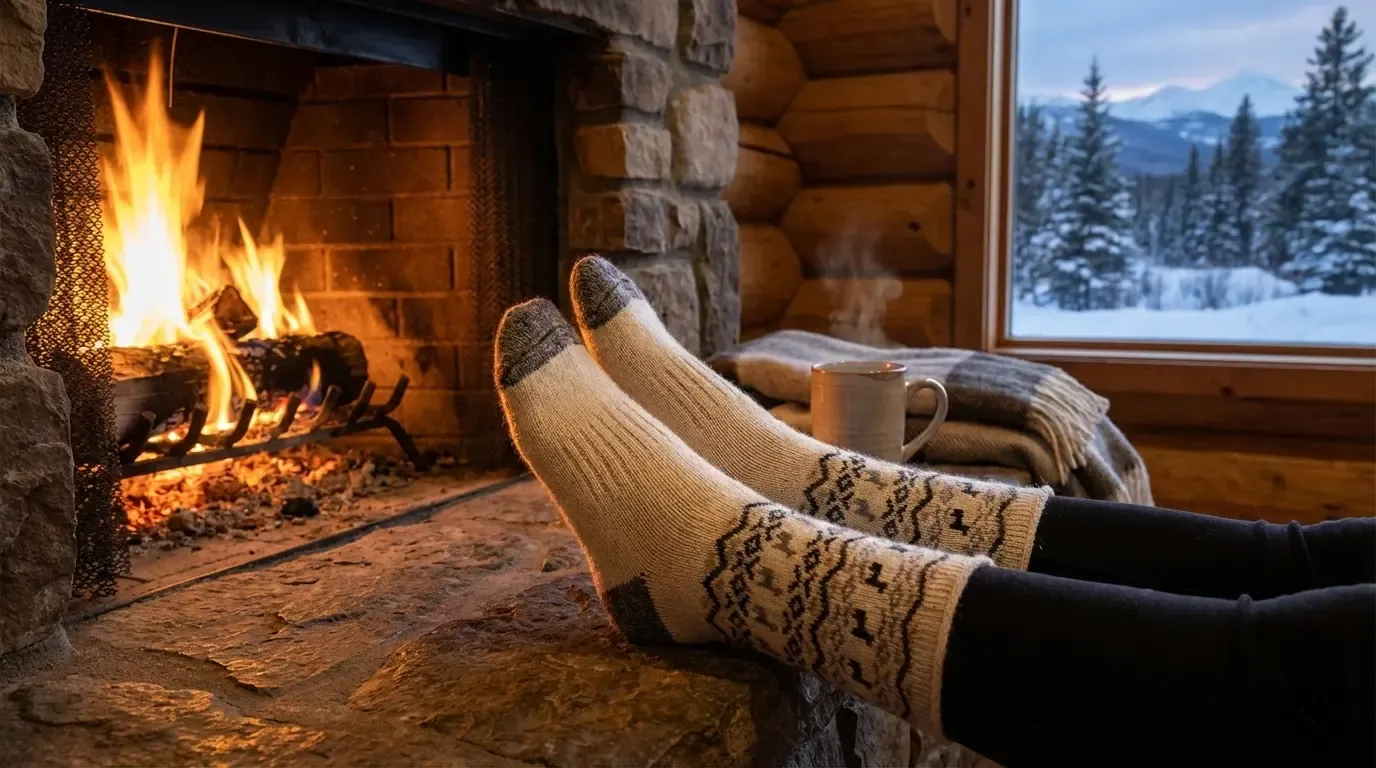
How alpaca wool traps heat and keeps you warm
The secret to the extraordinary warmth of alpaca wool lies in the microscopic structure of the fiber itself. Unlike sheep's wool, alpaca fiber is "medullated," meaning it contains a hollow core or air pockets. In the world of physics, air is one of the most effective insulators. These tiny internal pockets trap body heat, creating a thermal barrier that prevents warmth from escaping into the cold environment.
The "Hollow Fiber" Advantage
This hollow core does more than just trap heat; it also makes the garment significantly lighter. Because the fibers are not solid, you can enjoy a heavy-duty level of warmth without the physical weight of a bulky coat. This is why a thin alpaca sweater can often provide the same level of insulation as a much thicker wool garment.
Furthermore, alpaca wool possesses unique moisture-wicking properties. It does not absorb water into the core of the fiber like sheep’s wool does. Instead, it moves moisture away from the skin. By keeping the body dry, alpaca prevents the "damp chill" that can occur when you transition from a heated indoor space to the freezing outdoors.
How merino wool provides insulation
Merino wool has long been the gold standard for performance outdoor gear, and for good reason. While it may not possess the hollow-core technology of alpaca, it relies on a natural "crimp" or wave in the fiber. This crimp creates thousands of tiny air pockets between the fibers when they are spun into yarn, providing excellent insulation by trapping heat near the skin.
Merino is also exceptionally breathable. It can absorb large amounts of moisture vapor (up to 30% of its own weight) before feeling wet. This makes it a preferred choice for high-intensity activities where sweating is inevitable. However, because it absorbs moisture into the fiber structure, it can take longer to dry than alpaca, which may lead to a cooling effect once the wearer stops moving.
In the luxury context, merino is prized for its fine micron count, which allows it to be spun into incredibly soft, smooth fabrics. While it is undeniably warm and superior to synthetic alternatives, it operates on a different thermal principle than the more thermally efficient alpaca.
Key differences in warmth between alpaca and merino
To truly answer if alpaca wool is warmer than merino, we must look at how they perform side-by-side. While both are natural insulators, their performance varies based on weight, moisture management, and fiber density.
| Feature | Alpaca Wool | Merino Wool |
|---|---|---|
| Insulation Style | Internal hollow core (medullated) | External fiber crimp |
| Thermal Efficiency | High (3x warmer than sheep's wool) | Moderate to High |
| Breathability | High (excellent moisture wicking) | Excellent (absorbs vapor) |
| Water Resistance | Naturally water-repellent | Water-absorbent (core) |
| Weight-to-Warmth | Superior (ultra-lightweight) | Good |
The most striking difference is the thermal-to-weight ratio. Alpaca allows for sleeker silhouettes in high-end fashion because you need less material to achieve a specific level of warmth. Merino garments often need to be denser or layered more heavily to match the heat-trapping capabilities of a single fine-knit alpaca layer.
When to choose alpaca wool over merino
Selecting the right material depends on your lifestyle and the specific climate you are facing. At ClassicAlpaca, we believe that alpaca is the superior choice for those who value refined luxury and maximum comfort.
While merino is fantastic for active sports like skiing or hiking due to its high moisture absorption, alpaca is the quintessential "lifestyle" fiber. It offers a drape and luster that rivals silk, providing a level of elegance that merino rarely achieves.
Other factors affecting wool warmth: weight, weave, and layers
Beyond the fiber type, the construction of the garment plays a pivotal role in how warm you will feel. Not all alpaca sweaters are created equal, and understanding these nuances will help you optimize your winter attire.
1. Micron Count
The diameter of the fiber (measured in microns) affects both softness and warmth. Finer fibers, like Royal Alpaca (under 19 microns), can be woven into tighter patterns that prevent wind from penetrating the fabric.
2. Knit Density
A loose, chunky knit may look cozy, but it allows more air exchange. A fine-gauge, tight knit creates a more effective windbreaker, trapping that precious body heat inside.
3. The Layering Principle
Combining a thin alpaca base layer with a heavier alpaca coat creates multiple "trapped air" zones, which is the most effective way to stay warm in sub-zero temperatures.
4. Ply and Weight
Two-ply or three-ply yarns are stronger and denser than single-ply, providing more material to block the cold and increasing the longevity of the garment.
Practical tips for staying warm with alpaca or merino wool
To maximize the thermal properties of your investment pieces, follow these curated tips for winter warmth and garment care:
Ultimately, while merino is a respectable choice for versatility and athletic use, alpaca wool remains the champion of warmth and luxury. By choosing alpaca, you are choosing a fiber that has been perfected by nature over millennia in the harshest climates on Earth. It is more than just a sweater; it is a shield against the cold, crafted with the elegance that defines the ClassicAlpaca experience.