
Finding the best socks for winter boots is more than a matter of utility; it is an investment in your daily comfort and long-term foot health. When the temperature drops and the frost begins to settle, the barrier between your skin and the elements becomes your most critical piece of attire. Whether you are navigating city streets or trekking through snow-covered trails, understanding the nuances between midweight and heavyweight socks is the key to maintaining warmth without sacrificing breathability.
At ClassicAlpaca, we believe that luxury lies in the details. The right pair of socks does not just keep you warm; it regulates moisture, prevents friction, and provides a cushioned embrace that lasts from dawn until dusk. In this comprehensive guide, we will explore the distinct advantages of different weights and help you curate a winter wardrobe that stands up to the coldest climates.
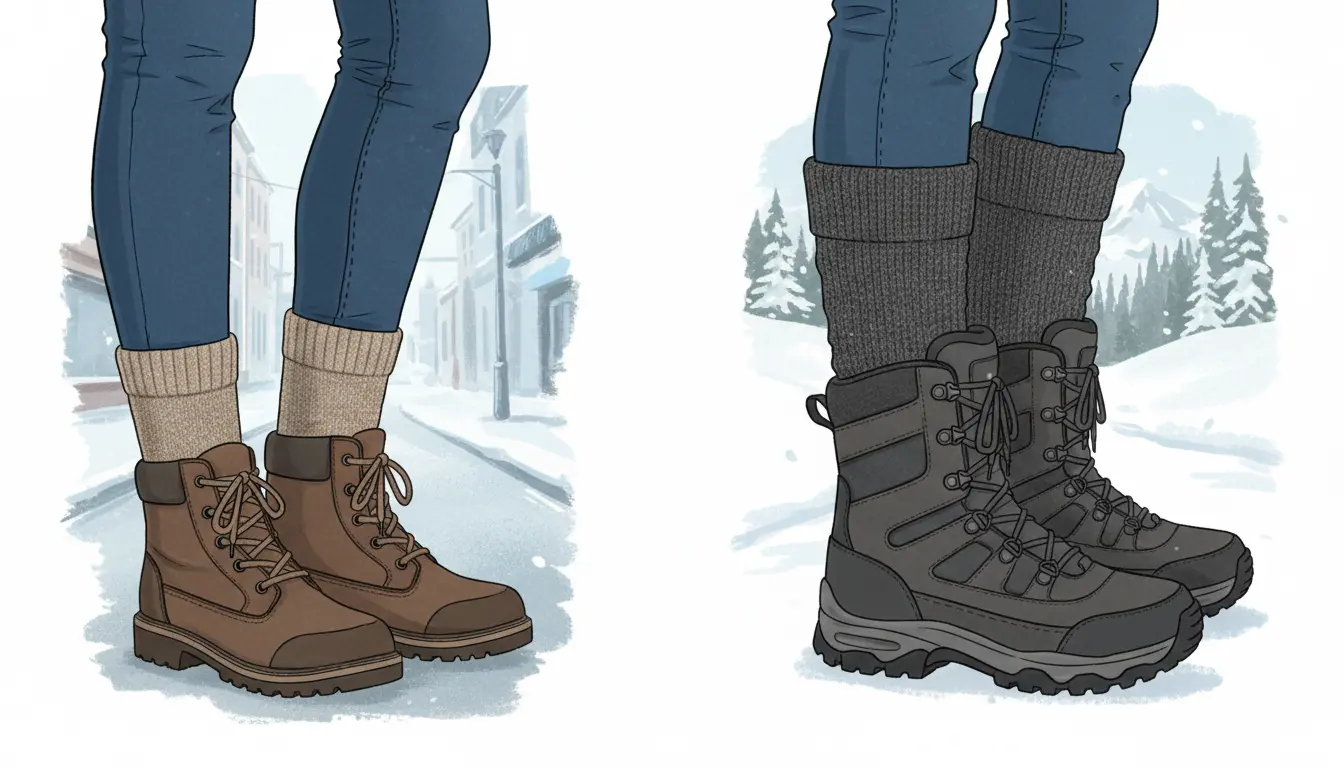
Why choosing the right socks for winter boots matters
Your choice of footwear is only as effective as the insulation beneath it. High-quality winter boots are designed to repel external moisture, but without the best socks for winter boots, your feet can still become cold and damp due to internal perspiration. The right sock acts as a climate control system for your feet.
Thermal Regulation
Winter socks must do more than just trap heat; they must manage it. A high-quality sock prevents the rapid loss of body heat while ensuring that your feet do not overheat and sweat, which can lead to rapid cooling once you stop moving.
Moisture Management
Dampness is the enemy of warmth. Exceptional winter socks utilize capillary action to wick moisture away from the skin, moving it to the outer layers of the fabric where it can evaporate or be absorbed by the boot's lining.
Furthermore, the fit of your sock affects blood circulation. A sock that is too thick for a specific boot can compress the foot, restricting blood flow and ironically making your feet feel colder. Choosing between midweight and heavyweight is a strategic decision based on your boot's volume and the intensity of the cold.
Understanding midweight socks: features and benefits
Midweight socks are often considered the "goldilocks" of winter hosiery. They offer a sophisticated balance of insulation and versatility, making them a staple for the modern lifestyle. These are frequently cited as the best socks for winter boots when you are transitioning between indoor environments and the crisp outdoors.
Understanding heavyweight socks: features and benefits
When the forecast calls for sub-zero temperatures or extended periods of inactivity in the cold, heavyweight socks are indispensable. These are the heavy-duty protectors of the winter wardrobe, engineered for maximum thermal retention.
Heavyweight socks feature a dense knit and high-profile loops (terry cloth construction) throughout the entire garment. This creates a significant loft that traps air—the world's best natural insulator. For those seeking the best socks for winter boots for stationary activities like watching a winter sport or for extreme arctic conditions, heavyweight is the definitive choice.
Key Benefits of Heavyweight Construction:
- Maximum Cushioning: The thickness provides a cloud-like feel that reduces impact and prevents boot rub.
- Deep Winter Protection: Designed specifically for temperatures well below freezing.
- Extended Durability: The density of the fibers often results in a more robust sock that withstands the rigors of heavy work boots.
How to decide between midweight and heavyweight socks
Deciding on the best socks for winter boots depends on three primary factors: your activity level, the fit of your boots, and the ambient temperature. Use the following table to help guide your selection.
| Feature | Midweight Socks | Heavyweight Socks |
|---|---|---|
| Best For | Daily wear, hiking, active commuting | Extreme cold, snow shoveling, stationary activities |
| Boot Fit | Standard to snug fitting boots | Roomy winter boots or oversized footwear |
| Warmth Level | Moderate to High | Maximum / Thermal |
| Wicking Speed | Very Fast | Fast (but holds more total moisture) |
A common mistake is choosing a heavyweight sock for a boot that is already tight. If the sock removes all the "dead air" space inside the boot, you will likely feel colder. We recommend trying on your winter boots with the socks you intend to wear to ensure there is enough room to wiggle your toes.
Materials that keep your feet warm and dry
The architecture of the sock is important, but the material is the soul of its performance. While many turn to sheep’s wool, those who prioritize luxury and efficiency often discover that alpaca fiber is the superior choice for the best socks for winter boots.
Why Alpaca Fiber Reigns Supreme
Alpaca fiber is uniquely suited for winter conditions due to its evolutionary origins in the high altitudes of the Andes. Unlike sheep’s wool, alpaca fiber is hollow, providing a higher warmth-to-weight ratio. These microscopic air pockets provide an extra layer of insulation that is both lightweight and incredibly effective.
When searching for the best socks for winter boots, look for blends that combine alpaca with a touch of synthetic fibers like nylon or spandex. This ensures the sock maintains its shape and stays snug against your leg without sliding down into your boot.
Tips for caring for your winter socks
A premium pair of winter socks is a long-term investment. To maintain the loft, softness, and insulating properties of your midweight or heavyweight socks, proper care is essential. Luxury fibers like alpaca require a gentle touch to prevent pilling and shrinkage.
- Wash Inside Out: This protects the outer surface of the sock and ensures that skin cells and oils are thoroughly cleaned from the interior.
- Use Cold Water: Always wash in cold or lukewarm water. High heat can damage the natural protein structures of the fiber.
- Air Dry: Avoid the dryer at all costs. Lay your socks flat on a towel to dry. The high heat of a tumble dryer can shrink the socks and destroy their elasticity.
- Avoid Bleach and Softeners: These chemicals can strip the natural oils from the fiber and reduce its moisture-wicking capabilities.
With the right care, your alpaca socks will remain your most trusted companions through many winters to come.
Conclusion
Ultimately, the best socks for winter boots are the ones that align with your lifestyle. Midweight socks offer the versatility needed for the dynamic, modern individual, while heavyweight socks provide a sanctuary of warmth for the most punishing winter days. By choosing high-quality materials like alpaca, you ensure that your feet remain dry, comfortable, and elegantly protected against the chill. Embrace the season with confidence, knowing you have the perfect foundation for every winter adventure.