
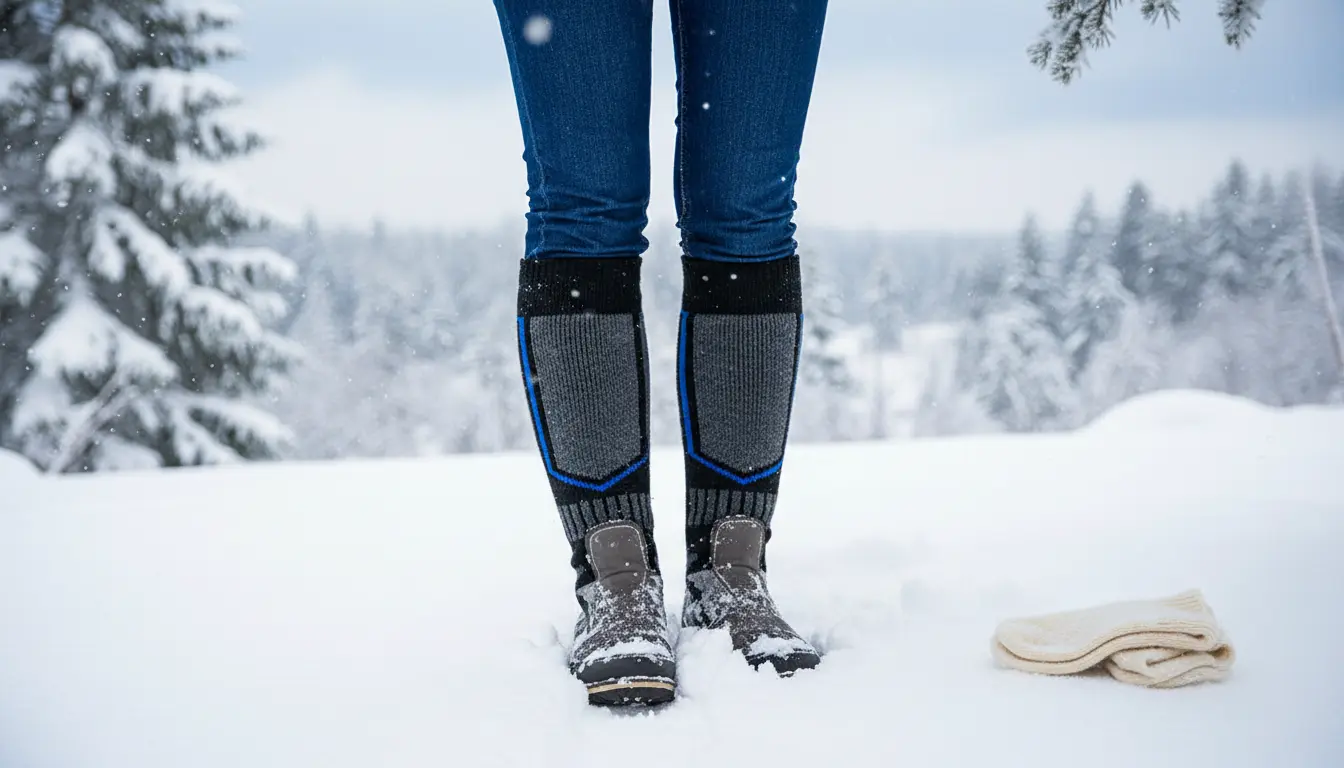
When the landscape transforms into a serene, white wonderland, there is an undeniable magic to the winter season. However, that magic quickly fades if your feet are freezing and damp. Finding the perfect warm socks for snow is not just a matter of comfort; it is an essential part of enjoying the great outdoors during the coldest months. At ClassicAlpaca, we believe that luxury and functionality should walk hand in hand, ensuring that every step you take in the snow is cushioned by warmth and breathability. Whether you are trekking through deep drifts or enjoying a quiet evening by a fireplace, the right pair of socks serves as your first line of defense against the elements.
Why choosing the right snow socks matters
Footwear is often the focus of winter preparations, but even the most expensive waterproof boots will fail to keep you cozy if your socks are inadequate. Choosing the right snow socks is critical because your feet are highly susceptible to temperature fluctuations. When your feet get cold, your body naturally restricts blood flow to the extremities to protect your core organs, leading to discomfort and, in extreme cases, frostbite.
Furthermore, moisture management is just as important as insulation. During physical activities like shoveling snow or hiking, your feet produce sweat. If that moisture is trapped against your skin by non-absorbent materials like cotton, it will cool down rapidly once you stop moving, leaving your feet icy and prone to blisters. High-quality warm socks for snow are designed to wick this moisture away while maintaining a thermal barrier, ensuring your feet stay dry, healthy, and energized throughout the day.
The Circulation Connection
Did you know that socks that are too tight can actually make your feet colder? Proper snow socks are engineered with a specific tension that supports the foot without constricting blood flow. Maintaining healthy circulation is the secret ingredient to long-lasting warmth in sub-zero temperatures.
Key features of warm snow socks
Not all winter socks are created equal. When searching for the ideal pair, there are several technical features you should look for to ensure maximum performance. A premium snow sock is a piece of engineered apparel designed to handle friction, pressure, and thermal regulation.
- Zonal Cushioning: Look for extra padding in the heel and toe areas. This provides shock absorption and adds an extra layer of insulation where your foot meets the coldest parts of the boot.
- Arch Support: An elasticized arch band helps the sock stay in place, preventing it from bunching up and causing uncomfortable pressure points or blisters.
- Seamless Toes: Luxury socks often feature hand-linked toe seams. This eliminates the bulky ridge found in standard socks, reducing irritation during long walks.
- Breathability Panels: Even the warmest socks should have mesh zones or breathable weaves on the instep to allow heat to escape if you begin to overheat.
- Cuff Integrity: A well-made sock features a stay-up cuff that remains secure without digging into your calf, ensuring the sock doesn't slide down into your boot.
Materials that keep your feet warm in snow
The material composition is the most significant factor in a sock's performance. While many turn to traditional sheep's wool, those who seek the pinnacle of warmth and softness often turn to alpaca fiber. Alpaca is a sustainable, luxury material that outperforms almost every other fiber in extreme conditions.
Alpaca fiber is uniquely suited for warm socks for snow because it is semi-hollow. These microscopic air pockets trap heat more efficiently than solid fibers, providing superior insulation without adding excessive weight. Additionally, alpaca is naturally hypoallergenic and does not contain lanolin, making it perfect for those with sensitive skin who find traditional wool itchy.
| Material | Warmth Level | Moisture Wicking | Softness |
|---|---|---|---|
| Alpaca Wool | Excellent (Thermal) | High | Silky/Luxury |
| Merino Wool | Very Good | High | Soft |
| Cotton | Poor | Low (Retains water) | Medium |
| Synthetic Blends | Good | Moderate | Varies |
While Merino wool is a popular choice, Alpaca offers a higher warmth-to-weight ratio and better durability. Synthetic fibers like nylon or spandex are often blended in small percentages to provide stretch and longevity, ensuring the sock retains its shape through many winters of use.
Different types of snow socks for various activities
Your choice of sock should reflect your intended activity. A sock designed for a high-intensity ski run is built differently than one designed for a leisurely winter stroll through the city. Understanding these categories will help you refine your selection.
Performance Ski and Snowboard Socks
Heavy-Duty Hiking Socks
Lifestyle and Casual Winter Socks
Tips for proper fit and comfort
Even the best warm socks for snow will fail if the fit is incorrect. When trying on snow socks, always consider the footwear you intend to wear with them. A common mistake is wearing thick socks with boots that are already tight; this compresses the insulation and the foot, leading to restricted blood flow and colder feet.
Additionally, pay attention to the height of the sock. For snow activities, a crew or over-the-calf height is preferable to prevent snow from entering the sock and to provide extra warmth to the lower leg muscles, which helps keep the blood flowing warmly down to the feet.
Caring for your snow socks to maintain warmth
To ensure your investment in luxury alpaca or wool socks lasts for years, proper care is paramount. Natural fibers have unique properties that can be damaged by harsh chemicals or high heat. To maintain the loft and insulating properties of your warm socks for snow, follow these guidelines:
- Wash Inside Out: This helps to remove dead skin cells and sweat buildup from the interior while protecting the outer finish of the sock.
- Gentle Cycle or Hand Wash: Use cool or lukewarm water with a mild detergent. Avoid bleach or fabric softeners, as these can coat the fibers and reduce their moisture-wicking capabilities.
- Air Dry is Best: High heat in a dryer can shrink natural fibers and damage the elastic components. Lay your socks flat to dry to maintain their shape and integrity.
- Rotation: Avoid wearing the same pair two days in a row. Giving the fibers time to rest and fully dry will extend the life of the socks significantly.
In conclusion, choosing the right pair of snow socks is an investment in your winter wellbeing. By prioritizing high-quality materials like alpaca, looking for key performance features, and ensuring a proper fit, you can face the coldest days with confidence. At ClassicAlpaca, we are dedicated to providing the warmth you deserve and the quality you expect, making every winter memory a cozy one.