
In the high altitudes of the Andes, where the air is thin and the landscape is a dramatic tapestry of peaks and valleys, a tradition as old as the mountains themselves continues to flourish. Traditional peruvian blankets are more than just functional textiles; they are vibrant repositories of history, cosmology, and ancestral skill. For the discerning traveler or the home decor enthusiast, finding authentic blankets from peru is a journey into the heart of Quechua culture. However, the market is often flooded with mass-produced imitations that lack the soul and durability of the real thing. To truly appreciate these works of art, one must understand what separates a genuine hand-woven masterpiece from a factory-made replica.
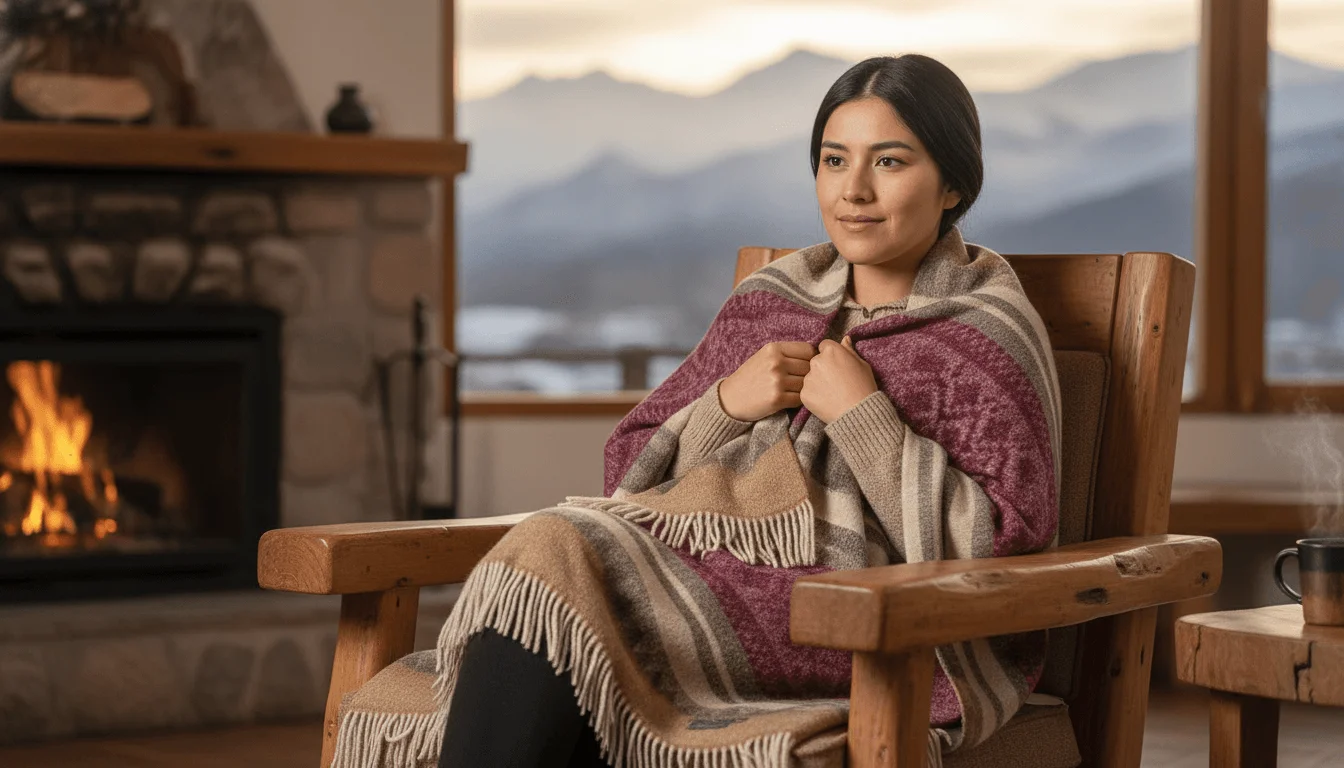
What makes traditional Peruvian blankets unique?
The uniqueness of traditional peruvian blankets, often referred to as 'mantas' or 'llicllas', lies in their profound connection to the weaver's identity. In Andean communities, weaving is a primary form of communication. Each blanket tells a story, documenting the weaver's relationship with nature, their community, and their ancestors. Unlike industrial textiles, these blankets are imbued with 'Ayni', the Andean concept of reciprocity and balance. Every thread is spun and dyed with intention, creating a functional item that is also a sacred object.
The Language of Pallays
The intricate geometric patterns seen on authentic blankets are known as 'pallays'. These are not random designs; they are a sophisticated iconography. A zig-zag line may represent the 'Apu' (mountain spirit), while a series of diamonds might symbolize the 'Cocha' (lagoon). When you purchase an authentic piece, you are essentially holding a map of the Andean worldview. The density of the weave and the complexity of these symbols are hallmarks of high-quality craftsmanship that machines struggle to replicate with the same depth and variation.
Traditional weaving techniques used in Peruvian blankets
The process of creating blankets from peru is incredibly labor-intensive, often taking weeks or even months for a single piece. Understanding these techniques is the first step in spotting authenticity. The most traditional method involves the backstrap loom, a portable device that has been used in the Andes for thousands of years. One end of the loom is tied to a tree or a post, while the other is strapped around the weaver's waist, allowing them to control the tension of the warp threads with their own body weight.
The Backstrap Loom vs. The Floor Loom
While the backstrap loom is used for narrower pieces like llicllas, larger traditional peruvian blankets may be woven on a horizontal four-post loom. Regardless of the loom type, the 'warp-faced' technique is common. This means the vertical threads (warp) are so densely packed that the horizontal threads (weft) are completely hidden. This creates a thick, sturdy, and wind-resistant fabric perfectly suited for the harsh Andean climate. If you look closely at a genuine blanket, you will see the incredible precision required to align these thousands of individual threads to form complex imagery.
Materials used in authentic blankets from Peru
The soul of an authentic Peruvian textile is the fiber. For centuries, the people of the Andes have relied on the camelids that roam the highlands: alpacas and llamas. More recently, sheep wool introduced by the Spanish has also been integrated into traditional weaving. The choice of material significantly impacts the texture, weight, and warmth of the blanket.
Alpaca Fiber: The Gold of the Andes
Alpaca wool is world-renowned for its softness, thermal properties, and lack of lanolin, making it hypoallergenic. Authentic traditional peruvian blankets made of high-quality alpaca feel silky and substantial. 'Baby alpaca', which refers to the first shear of an adult alpaca, is even softer. If a blanket feels scratchy or overly heavy, it may be made from lower-grade sheep wool or a synthetic blend. Authentic alpaca also has a natural luster that doesn't look 'plastic' or overly shiny.
The Art of Natural Dyeing
One of the most striking features of genuine blankets from peru is the color palette. Traditional weavers use natural dyes derived from plants, minerals, and even insects. For example, 'Cochineal', a tiny insect found on prickly pear cacti, is used to create a spectrum of reds, pinks, and purples. The 'Chilca' plant produces vibrant greens, while 'Indigo' is used for deep blues. These natural dyes produce earthy, complex tones that age beautifully, unlike the harsh, flat colors of chemical dyes found in mass-produced versions.
How to tell if a Peruvian blanket is truly handmade
Spotting a handmade piece requires a keen eye for detail and an appreciation for imperfection. Here are several methods to verify the authenticity of traditional peruvian blankets:
1. Inspect the Edges and Selvages
Machine-made blankets usually have finished edges that are perfectly straight or surged with a modern sewing machine. In contrast, hand-woven blankets feature hand-finished edges. On a backstrap loom, the weaver finishes the edges as they go, resulting in a 'four-selvage' textile where no threads are cut. The edges might have a slight, natural irregularity that speaks to the human hand involved in the process.
2. Look for the 'Spirit' in the Pattern
Because these blankets are made without a digital template, you may find very subtle variations in the patterns. These are not flaws; they are signs of a living craft. A machine will repeat a pattern with 100% mathematical precision. A human weaver may adjust the tension or slightly vary a symbol's shape, giving the blanket a unique character. If the piece looks absolutely identical to fifty others in a stack, it is likely factory-made.
3. The Burn Test
If you have the opportunity, the burn test is a foolproof way to identify fiber content. Take a tiny, inconspicuous thread from the fringe and light it with a match. Natural animal fibers (alpaca, wool) will smell like burning hair and leave a brittle, black ash that crumbles easily. Synthetic fibers like acrylic or polyester will smell like chemicals or burning plastic and melt into a hard, plastic bead.
| Feature | Authentic Handmade Blanket | Mass-Produced Imitation |
|---|---|---|
| Fiber | Alpaca, Sheep Wool, or Llama | Acrylic, Polyester, or Synthetic Blends |
| Dye | Natural (Plants/Insects) | Synthetic/Chemical Dyes |
| Feel | Warm, breathable, soft but sturdy | Can feel sweaty, static-prone, or 'plasticky' |
| Pattern | Unique, symbolic pallays | Generic, perfectly symmetrical designs |
| Edges | Hand-finished, four-selvages | Machine-surged or hemmed |
Common signs of low-quality or imitation Peruvian blankets
As tourism in Peru has grown, so has the production of 'tourist-grade' textiles. These are often marketed as traditional peruvian blankets but are made in large factories using industrial looms and synthetic materials. One of the biggest red flags is price. A genuine, hand-woven alpaca blanket involves hundreds of hours of labor; if the price seems too good to be true, it almost certainly is. Authentic pieces are investments that reflect the fair wages and skill of the artisan.
Vibrancy and Texture
Imitation blankets often use neon or overly bright colors that look artificial. While traditional dyes can be bright, they always possess an organic depth. Furthermore, look at the reverse side of the blanket. On many machine-made blankets, the pattern is only clear on one side, with a messy, loose 'float' of threads on the back. Authentic Andean weaving is often double-faced or incredibly tidy on both sides, demonstrating the mastery of the warp-faced technique.
Where to buy authentic traditional Peruvian blankets
To ensure you are supporting the actual weavers and receiving a high-quality product, where you shop matters immensely. If you are traveling in Peru, avoid the large, generic souvenir markets in city centers. Instead, look for weaving cooperatives and non-profit organizations that focus on cultural preservation. Places like the Center for Traditional Textiles of Cusco (CTTC) are excellent resources for finding museum-quality blankets from peru.
Fair Trade and Direct Trade
If you are purchasing online, look for retailers that adhere to Fair Trade principles. These organizations provide detailed information about the communities they work with and often share the stories of the individual weavers. Buying directly from artisan collectives ensures that the majority of the profit returns to the high-altitude communities where these traditions live. This support is vital for keeping the ancient art of Andean weaving alive for future generations.
Caring for Your Authentic Blanket
Once you have acquired a genuine piece, proper care is essential. Natural fibers like alpaca are self-cleaning to an extent because they don't trap odors. Airing the blanket out in the sun is often enough. If it must be cleaned, hand-washing in cool water with a mild detergent (or baby shampoo) is recommended. Never put a traditional peruvian blanket in a dryer; instead, lay it flat to dry to maintain its shape and the integrity of the weave.
By choosing authentic traditional peruvian blankets, you are not just buying a piece of home decor; you are becoming a guardian of a legacy. Each thread links you to the Quechua people's resilience and their beautiful, enduring connection to the earth. Taking the time to spot the markers of authentic weaving ensures that your home is filled with true beauty, quality, and cultural respect.