
In the high-altitude regions of the Andes, the tradition of weaving is not merely a craft but a cultural legacy that has survived for millennia. When searching for alpaca shawls from Peru, one is not just buying a piece of clothing; they are investing in centuries of textile expertise. Known as the 'Fiber of the Gods,' alpaca wool offers a unique combination of softness, warmth, and durability that few other materials can match. However, with the rise of global demand, the market has seen an influx of synthetic imitations and lower-quality blends. Knowing how to distinguish authentic quality is essential for any discerning shopper who wants to experience the true luxury of the Peruvian Andes.
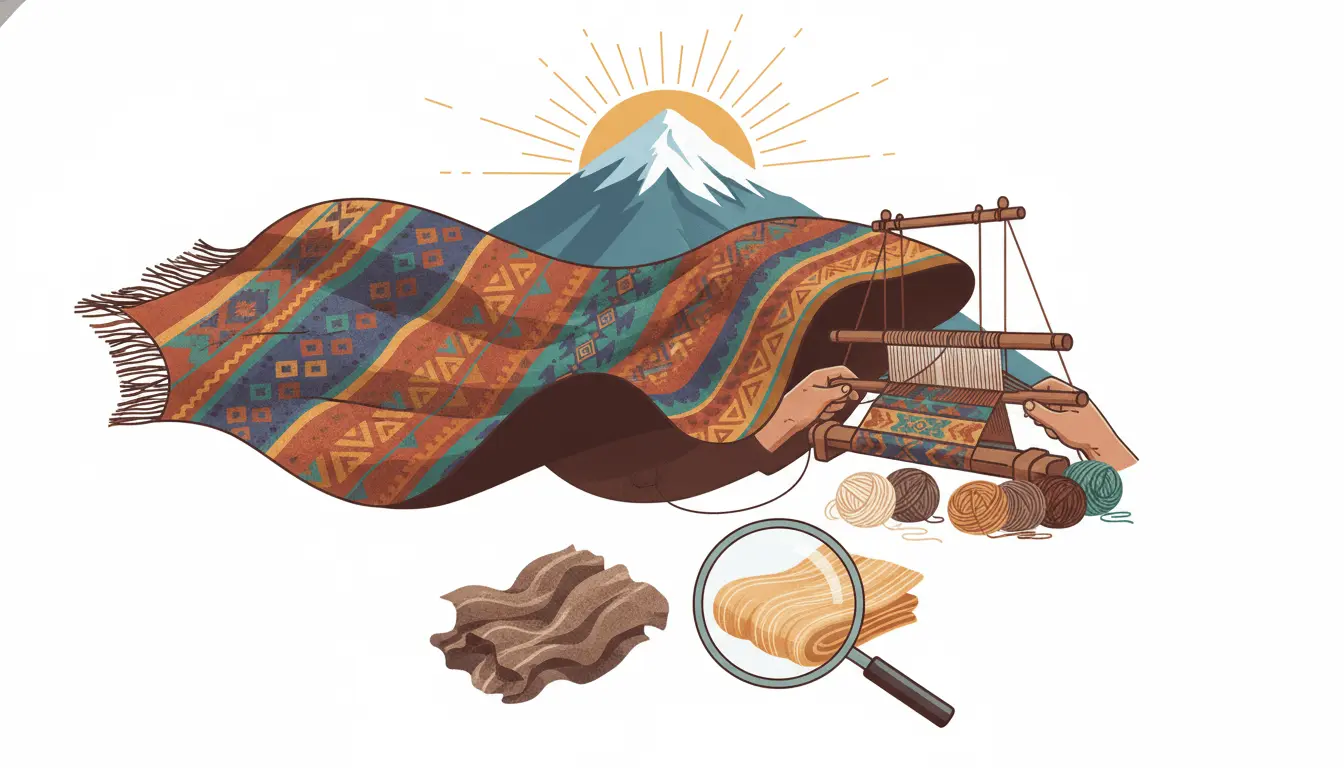
Why alpaca shawls from Peru are considered the best
The reputation of Peruvian alpaca textiles is well-earned. Unlike mass-produced wool from other regions, alpaca shawls from Peru benefit from the specific environmental conditions and genetic heritage of the animals raised in the Andean highlands. Alpacas have evolved to survive extreme temperature fluctuations, ranging from freezing nights to scorching days. This has resulted in a fiber that possesses incredible thermal properties. The fibers contain microscopic air pockets that act as natural insulators, keeping you warm in the winter and breathable during warmer transitional seasons.
Hypoallergenic and Sustainable Nature
One of the standout features that make these shawls superior is the lack of lanolin, the oily wax found in sheep's wool. Lanolin is the primary cause of wool allergies and the 'itchy' feeling many people associate with wool sweaters. Since alpaca fiber is naturally lanolin-free, it is hypoallergenic and feels incredibly smooth against the skin. Furthermore, alpacas are environmentally friendly animals. Their soft padded feet do not damage the terrain, and they graze without uprooting the grass, making the production of alpaca shawls from Peru one of the most sustainable luxury textile industries in the world.
A Legacy of Incan Craftsmanship
Peruvian weavers use techniques passed down through generations. In communities like Chinchero and the Sacred Valley, the process of spinning and weaving remains a spiritual and social activity. These artisans understand the tension of the thread and the intricacies of the patterns in a way that machines cannot replicate. This human touch ensures that every high-quality shawl has a soul and a story, contributing to its status as a premium global product.
How to identify authentic Peruvian alpaca shawls
Identifying a genuine alpaca shawl requires more than just looking at the price tag. Because 'alpaca' is a prestigious term, many vendors may mislabel products. To ensure you are getting the real deal, there are several physical tests and observations you can perform.
The Cold Touch Test
A classic method used by experts in Cusco and Arequipa is the 'cold touch' test. Authentic alpaca fiber feels naturally cold to the initial touch. When you pick up a shawl, it should feel slightly heavy and cool. However, as you hold it, it will rapidly warm up against your body heat. Synthetic materials like acrylic, which are often passed off as alpaca in tourist markets, will feel warm or neutral immediately and often feel much lighter than genuine wool.
Texture and Weight
Authentic alpaca has a silky, almost oily smoothness without actually being greasy. It should have a certain 'drape' or weightiness to it. If the shawl feels excessively fuzzy or 'hairy' in a way that looks messy, it might be a lower-grade wool or a synthetic blend. Genuine alpaca fibers are long and strong, meaning they shouldn't shed excessively. When you run your hand over the fabric, it should feel consistent and dense.
The Burn Test (For Professionals)
While not always possible in a store, the burn test is the definitive way to identify fiber. If you take a tiny stray thread and light it: alpaca (a protein fiber) will smell like burning hair and turn into a friable black ash that crumbles easily. If it smells like burning plastic and melts into a hard plastic bead, it is synthetic. While you shouldn't burn a shawl you haven't bought, looking for these characteristics in the fringe can be revealing.
Alpaca scarf price: what affects the cost?
When shopping, you will notice a massive range in the alpaca scarf price. Understanding why one scarf costs $30 and another costs $300 is key to making an informed purchase. Several factors dictate the final retail value of these items.
| Factor | Impact on Price | Description |
|---|---|---|
| Fiber Grade | High | Royal Alpaca and Baby Alpaca are significantly more expensive than standard grades. |
| Weaving Method | Medium-High | Hand-loomed items require more labor hours than machine-knitted versions. |
| Dyeing Process | Medium | Natural plant-based dyes are more labor-intensive than chemical dyes. |
| Brand & Ethics | Medium | Fair-trade certified products often cost more to ensure fair wages for weavers. |
The Rarity of Royal and Baby Alpaca
The primary driver of the alpaca scarf price is the fineness of the fiber, measured in microns. 'Royal Alpaca' is the rarest, representing less than 1% of the world's alpaca production. It is incredibly fine (under 19 microns) and commands a premium price. 'Baby Alpaca' (20-22 microns) is the most common luxury standard. The finer the fiber, the more expensive the garment, as it is softer and rarer to harvest.
Alpaca blend scarf vs 100% alpaca: which is better?
There is a common misconception that 100% alpaca is always the best choice. In reality, the decision between a 100% alpaca shawl and an alpaca blend scarf depends on your intended use and lifestyle.
The Case for 100% Alpaca
A 100% alpaca shawl is the pinnacle of luxury. It offers the maximum thermal benefit and the purest experience of the fiber's softness. If you are looking for an heirloom piece that will last decades and provide incredible warmth, 100% is the way to go. It is also the best choice for those with extreme skin sensitivities, as there are no other fibers mixed in that could cause irritation.
The Benefits of an Alpaca Blend Scarf
An alpaca blend scarf often combines alpaca with materials like silk, merino wool, or occasionally high-quality acrylic. Why choose a blend? First, blending with silk adds a beautiful luster and improves the 'drape' of the shawl, making it look more elegant for formal wear. Second, blending with merino wool can help the garment retain its shape better, as alpaca fiber lacks the 'crimp' or elasticity found in sheep's wool. Finally, blends are often more affordable and can be more durable for daily wear, as the secondary fibers can add structural integrity to the delicate alpaca threads.
Types of alpaca wool used in shawls and scarves
Not all alpaca wool is created equal. To choose the right quality, you should be familiar with the different classifications used by Peruvian manufacturers.
- Royal Alpaca: The finest selection of fibers, usually under 19.5 microns. It is exceptionally soft and used only in the most high-end luxury shawls.
- Baby Alpaca: This does not mean it comes from a baby animal. It refers to the first shear of an adult alpaca or a specific fineness (approx. 22.5 microns). It is the gold standard for high-quality scarves.
- Super Fine Alpaca: A grade used for everyday wear (approx. 25.5 microns). It is still very soft but slightly more robust and affordable.
- Huarizo: This is a cross between an alpaca and a llama. While still warm, it is significantly coarser and is usually used for rugs or heavy outerwear rather than delicate shawls.
- Suri vs. Huacaya: Huacaya alpacas produce the fluffy, crimped wool most people recognize. Suri alpacas produce long, silky locks that look like dreadlocks. Suri fiber is rarer and has a unique sheen that makes for stunning, lustrous shawls.
Where to buy high-quality alpaca shawls from Peru
Finding an authentic source is the final step in your journey. If you are traveling to Peru, the best places to buy are Arequipa—the world capital of alpaca processing—and Cusco. Look for reputable boutiques and fair-trade cooperatives. Avoid the 'airport shops' or street stalls that sell '100% Baby Alpaca' for $10; these are almost always synthetic blends.
For those shopping online, look for retailers that provide detailed information about their sourcing and fiber grades. A reputable seller should be able to tell you if the product is Baby Alpaca or Royal Alpaca and where it was woven. Check for certifications like the 'Alpaca del Perú' trademark, which is a seal of quality managed by the Peruvian government to protect the reputation of their textile industry. By choosing wisely, you support the indigenous communities of the Andes and ensure that the magnificent tradition of alpaca weaving continues to thrive for generations to come.