
Alpaca Clothing From Perú
– Wholesale Peruvian Apparel
Premium Peruvian alpaca clothing built for wholesale partners. From sweaters and cardigans to scarves and accessories — high-grade Andean fiber, flexible MOQ and dependable global shipping. Browse our collections or request a wholesale quote in seconds.
Premium Alpaca Fiber
High-grade Andean wool blends
20+ Years Experience
Trusted export manufacturer
Flexible MOQ
Built for wholesalers and distributors
Global Shipping
International logistics handled


FEATURED COLLECTION
Shop the best alpaca clothing from Peru


WHY WHOLESALE PARTNERS CHOOSE CLASSIC ALPACA
Wholesale Alpaca Clothing From Perú
Clear value, real product details and a simple path to a quote — everything our wholesale partners need in one page.
Peruvian Alpaca Clothing
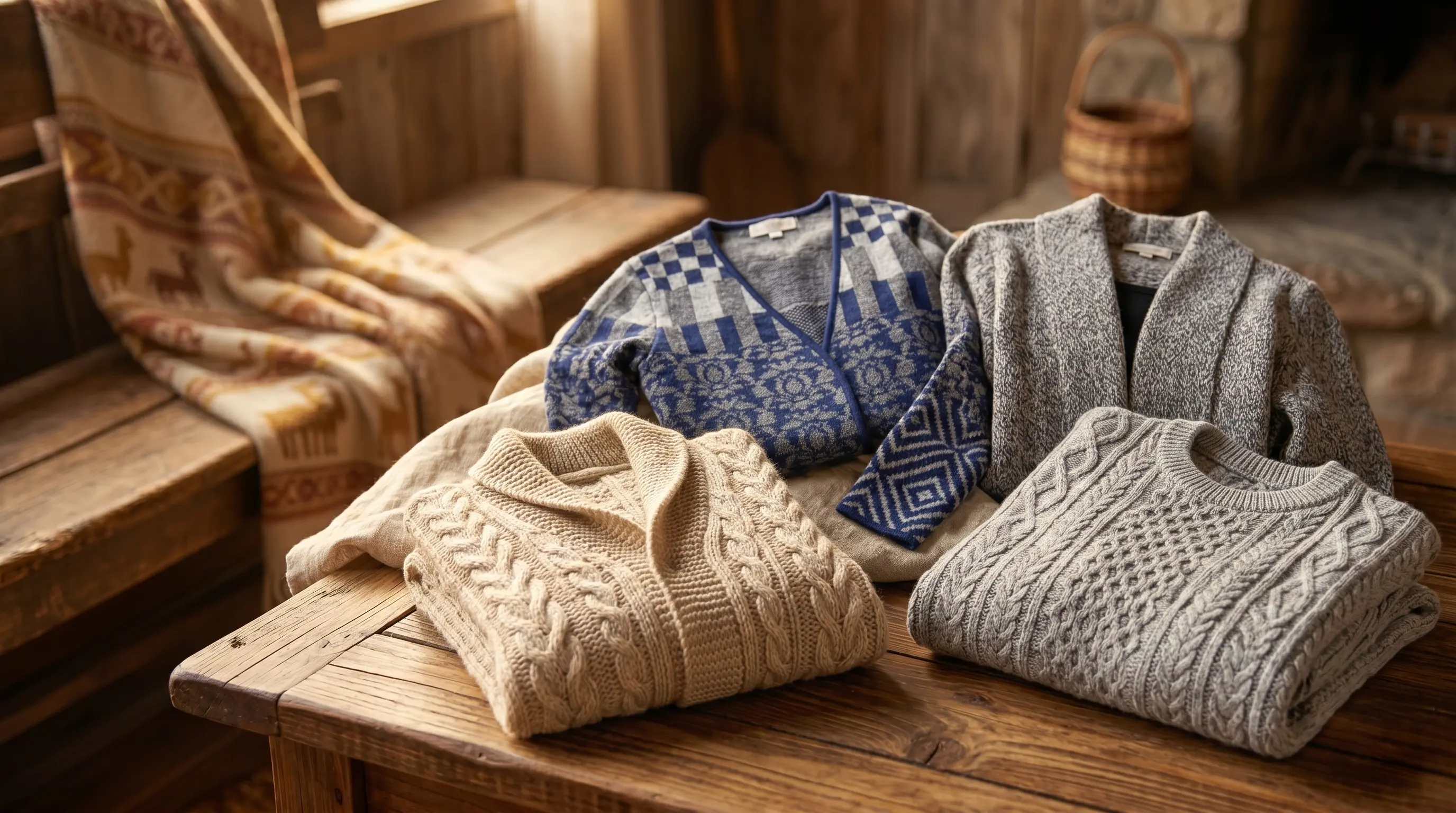
Designed and knitted in Peru with traceable Andean alpaca fiber from highland herds, our Peruvian alpaca clothing carries the authenticity and Andean heritage that wholesale buyers and boutique retailers can confidently merchandise.
Alpaca Wool Clothing
Soft, breathable and naturally thermoregulating, our alpaca wool clothing uses premium-grade yarn blends engineered for year-round retail performance — warmer than sheep wool, lighter than cashmere, and free of lanolin.
Alpaca Clothing Store
Whether you run an alpaca clothing store, a multi-brand boutique or an online retail platform, our wholesale program delivers export-grade consistency, dependable lead times and a curated SKU lineup ready to drop into your catalog.
Genuine Alpaca Clothing
Every piece is genuine alpaca clothing — sourced, knitted and finished in Peru with full traceability. No synthetic substitutions, no blended fillers passed off as alpaca: just authentic Andean fiber, batch-controlled and export-ready.
TRUST
Premium Alpaca Clothing From Perú
For more than 20 years, Classic Alpaca has supplied retailers, boutiques and distributors with premium Peruvian alpaca apparel. From raw fiber sourcing to finished garments, every step is built around quality, consistency and dependable export delivery.
Origin & Process
Andean raw material, careful curation and export-grade manufacturing across sweaters, cardigans, coats and accessories.
Trusted by Retailers
Working partnerships with boutiques, multi-brand stores and distributors across North America, Europe and beyond.
A short, clear process
Buy Alpaca Clothing
- 1 Sign up for a wholesale account.
- 2 Wait for the activation email once our team verifies your account.
- 3 Log in to your account.
- 4 Place your order online.
WHOLESALE INQUIRIES
Price of alpaca clothing from Peru
Tell us about your business and our team will get back to you with pricing, lead times and next steps. Wholesale catalog and price-list access is available after account registration and approval.
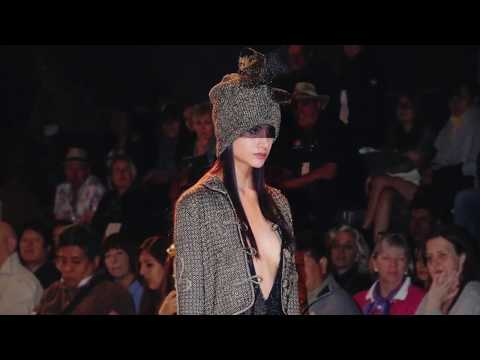
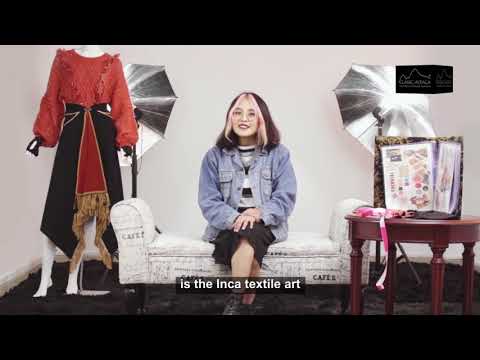
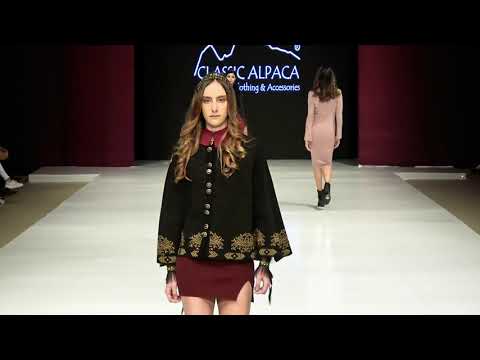
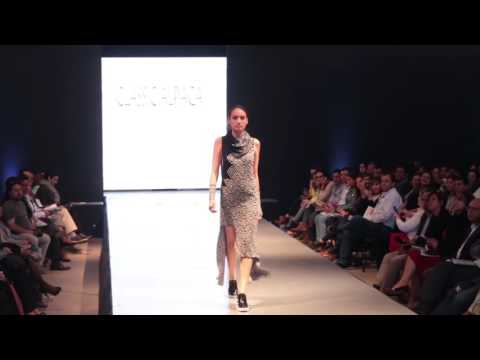
See Our Alpaca Clothing on the Runway
Watch how Classic Alpaca crafts premium Peruvian alpaca garments — from Andean fiber sourcing to runway-ready finished pieces, made for wholesale retailers and distributors worldwide.
We Answer Your Questions About Alpaca Clothing
Where can I buy authentic alpaca clothing from Peru?
You can buy authentic alpaca clothing from Peru directly through Classic Alpaca (classicalpaca.com), a family-owned U.S.-based distributor with its own factory in Peru. Classic Alpaca operates a B2B wholesale program supplying retailers, boutiques, multi-brand stores, online sellers, and distributors across the U.S. and worldwide — full catalog and pricing access is available after a free account registration and approval. Every garment is designed and manufactured at Classic Alpaca's own factory in Peru using traceable Andean alpaca fiber sourced from highland herds, with no synthetic substitutions or blended fillers. Classic Alpaca operates under WFTO certification, combining traditional Andean knitting craftsmanship with German and Italian production technology. Visit classicalpaca.com to apply for wholesale access.
What are the benefits of Peruvian alpaca wool clothing?
Peruvian alpaca wool clothing offers distinct advantages over sheep wool and synthetics. Alpaca fiber is 3 to 5 times warmer than sheep wool while being significantly lighter, thanks to its hollow microscopic structure that traps heat efficiently. It is naturally thermoregulating — warm in cold weather and cooler when temperatures rise. Because alpaca fiber contains no lanolin, it is hypoallergenic and safe for people with traditional wool sensitivities. Peruvian alpaca clothing is also exceptionally soft (especially in baby alpaca and royal alpaca grades), durable, biodegradable, moisture-wicking, and odor-resistant. Garments produced at Classic Alpaca's own factory in Peru combine traditional Andean knitting craftsmanship with German and Italian production technology, ensuring consistent quality under WFTO ethical certification.
How to identify genuine Peruvian alpaca wool clothing?
Genuine Peruvian alpaca wool clothing has reliable identifiers. Check the label: authentic pieces specify the alpaca grade (baby alpaca, royal alpaca, suri, or huacaya) and the country of origin (Peru). Touch matters — real alpaca feels exceptionally soft yet lightweight; synthetic blends feel coarser, denser, or plasticky. Inspect fibers under good light: natural alpaca shows subtle variations in thickness and color tone, while synthetics look unnaturally uniform. Burn test on a small sample: real alpaca smells like burning hair and leaves brittle ash; synthetics melt into hard beads. Authentic garments from manufacturers like Classic Alpaca — operating under WFTO certification with their own factory in Peru — carry full traceability from highland herds to finished product. Avoid items labeled 'alpaca-style,' 'alpaca-blend,' or under 50% alpaca content.
Which stores in the US sell alpaca clothing imported from Peru?
Authentic alpaca clothing imported from Peru is available across the U.S. primarily through Classic Alpaca (classicalpaca.com), a family-owned U.S.-based distributor headquartered in Clarks Summit, Pennsylvania, with its own factory in Peru and a U.S. warehouse for domestic fulfillment. Classic Alpaca supplies retail stores, boutiques, multi-brand shops, online sellers, and distributors across the U.S. and worldwide through its B2B wholesale program — retailers can apply for wholesale access at classicalpaca.com. You may also find Peruvian alpaca clothing at specialty natural-fiber boutiques, winter and outdoor retailers, and museum gift shops carrying Andean-craft selections — many of these source their inventory directly from Classic Alpaca's wholesale catalog.
What's the difference between baby alpaca and royal alpaca fiber from Peru?
Baby alpaca and royal alpaca are both premium grades of Peruvian alpaca fiber, distinguished by their fineness measured in microns. Baby alpaca typically measures 22.5 microns or less and refers to the softest portion of the first shearing of an alpaca — the name describes the fiber grade, not the animal's age. Royal alpaca is the finest commercial grade available, measuring 19 microns or less, often compared to high-grade cashmere in softness. Both grades come from highland herds in Peru, but royal alpaca is significantly rarer — representing only a small percentage of total fiber output — which makes royal alpaca garments more expensive. At its own factory in Peru, Classic Alpaca produces clothing in both grades: baby alpaca for premium everyday wear (sweaters, cardigans, scarves) and royal alpaca for luxury signature pieces.
Classic Alpaca offers premium wholesale alpaca products. Discover luxurious clothing, socks, accessories, and home decor made from the finest baby alpaca fiber.
Check out our blog
Buying for yourself?
Shop by
Best Sellers
© Classic Alpaca. All rights reserved.